How Does a Patient Scheduling System Improve Healthcare Efficiency?
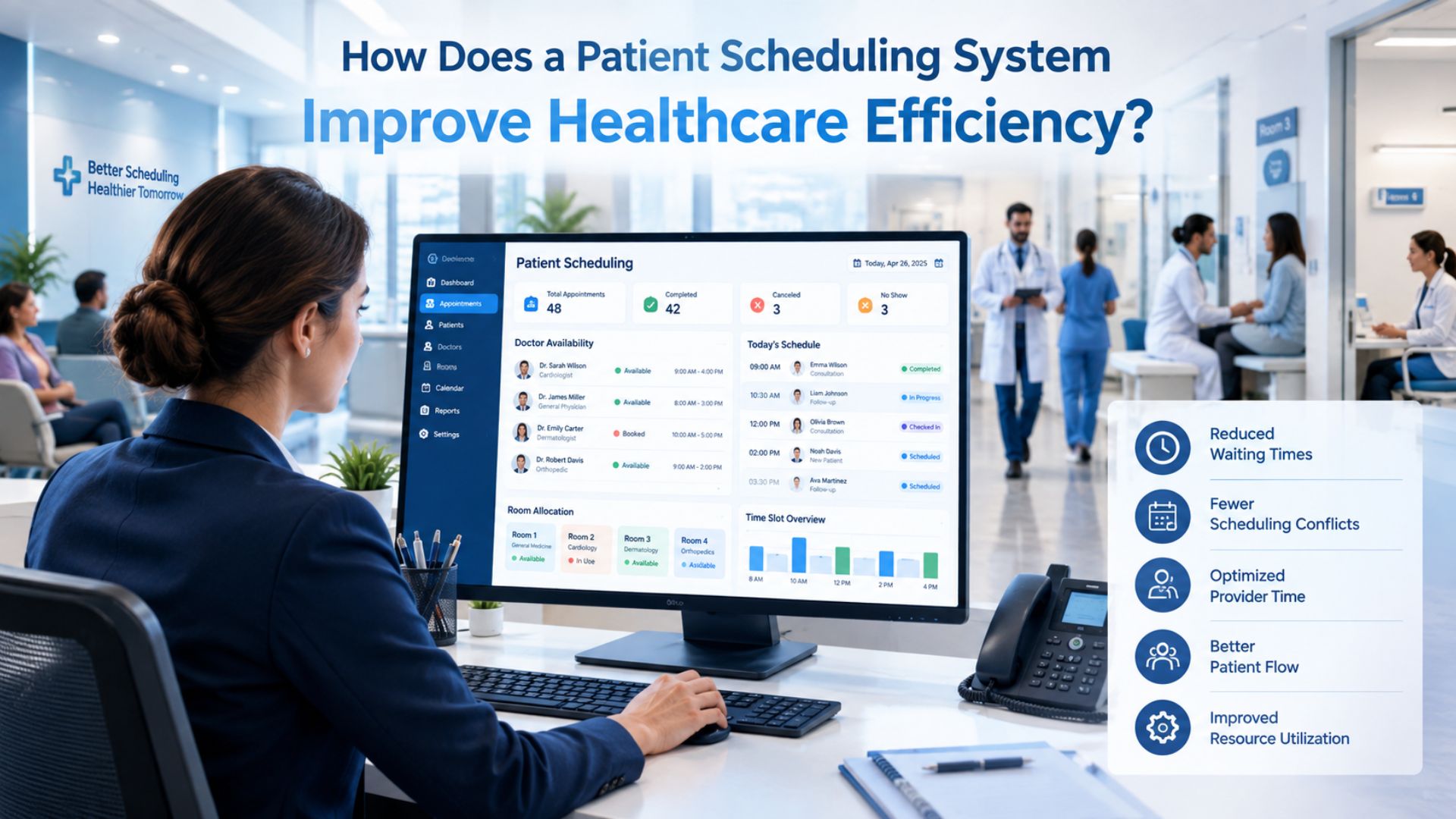
Healthcare providers manage a constant flow of appointments, consultations, follow-ups, emergencies, staff schedules, and facility resources. When these activities are handled manually, scheduling conflicts, delays, missed appointments, and administrative workload can quickly increase.
A patient scheduling system helps healthcare organizations manage appointments through a centralized digital platform. It can organize patient bookings, provider availability, appointment times, cancellations, reminders, and other scheduling activities. By making these processes more structured, a scheduling system can improve healthcare efficiency while creating a smoother experience for both patients and staff.
What Is a Patient Scheduling System?
A ***[patient scheduling system](https://medcore.software/blog/patient-scheduling-system/)*** is a digital solution designed to help healthcare providers organize and manage patient appointments. It can be used by hospitals, clinics, private practices, diagnostic centers, and other healthcare organizations.
Depending on the platform, patients may be able to book appointments online, select available time slots, receive reminders, and reschedule visits. Healthcare staff can also manage provider calendars, appointment types, cancellations, and daily schedules from one centralized system.
The primary goal is to make appointment management more organized, accessible, and efficient.
How Does a Patient Scheduling System Improve Healthcare Efficiency?
1. Reduces Manual Scheduling Work
Traditional scheduling often requires staff to answer calls, check provider availability, enter appointment details, send confirmations, and update calendars manually.
A digital patient scheduling system can automate many of these repetitive tasks. Patients can book appointments through online portals or other digital channels, while staff can manage schedules from a centralized interface.
This reduces administrative effort and allows healthcare employees to spend more time on patient-facing and operational responsibilities.
2. Prevents Scheduling Conflicts
Double bookings and overlapping appointments can disrupt healthcare operations. They may cause delays for patients and create unnecessary pressure on providers and support staff.
A centralized scheduling system provides real-time visibility into appointment availability. It can help prevent multiple patients from being assigned to the same time slot and make it easier to identify scheduling conflicts before they affect the day's workflow.
3. Improves Provider Time Management
Healthcare professionals have limited time and often manage different types of appointments throughout the day. An effective scheduling system can help organize appointment slots according to provider availability and appointment duration.
This can create a more balanced schedule by reducing unnecessary gaps and avoiding excessive appointment stacking. Better time management can help providers maintain a smoother workflow throughout the day.
4. Reduces Patient Waiting Times
Poor scheduling can lead to crowded waiting rooms and long delays. When several appointments are scheduled too closely together, even a small delay can affect every patient who follows.
A patient scheduling system can help distribute appointments more effectively. By considering appointment durations, provider availability, and scheduling capacity, healthcare organizations can improve patient flow and reduce avoidable waiting.
5. Helps Reduce Missed Appointments
No-shows can waste valuable appointment slots and negatively affect clinic efficiency. Automated reminders can help patients remember upcoming visits and provide them with important appointment information.
Depending on the system, reminders may be delivered through text messages, email, phone notifications, or patient portals. Patients may also be able to confirm, cancel, or reschedule appointments digitally.
6. Makes Appointment Booking More Convenient
Patients increasingly expect healthcare services to be accessible and easy to use. Online scheduling can allow patients to view available appointment slots and request or book a suitable time without making repeated phone calls.
This convenience can improve the booking experience while reducing the volume of routine scheduling calls received by administrative staff.
7. Optimizes Healthcare Resources
Healthcare efficiency depends on more than provider schedules. Clinics and hospitals also need to coordinate examination rooms, diagnostic equipment, and other resources.
A centralized scheduling system can help healthcare teams coordinate these resources with patient appointments. Better resource planning can reduce conflicts and improve the utilization of available facilities and equipment.
8. Improves Communication Across Teams
Scheduling information may need to be accessed by reception staff, nurses, physicians, administrators, and other authorized personnel.
A shared scheduling platform provides a central source of appointment information. This can improve communication and help staff understand changes to schedules, cancellations, provider availability, and patient appointments in a timely manner.
9. Supports Better Workflow Planning
A digital scheduling system can give healthcare managers greater visibility into appointment volumes and provider workloads.
By reviewing scheduling patterns, organizations may identify busy periods, recurring gaps, high cancellation rates, or capacity issues. These insights can help inform decisions about staffing, appointment availability, and resource allocation.
10. Supports Better Patient Experience
Healthcare efficiency and patient experience are closely connected. Patients are more likely to have a positive experience when booking is convenient, appointments start on time, communication is clear, and unnecessary waiting is minimized.
A patient scheduling system can contribute to this experience by simplifying appointment management and creating more organized patient journeys.
What Features Should a Patient Scheduling System Include?
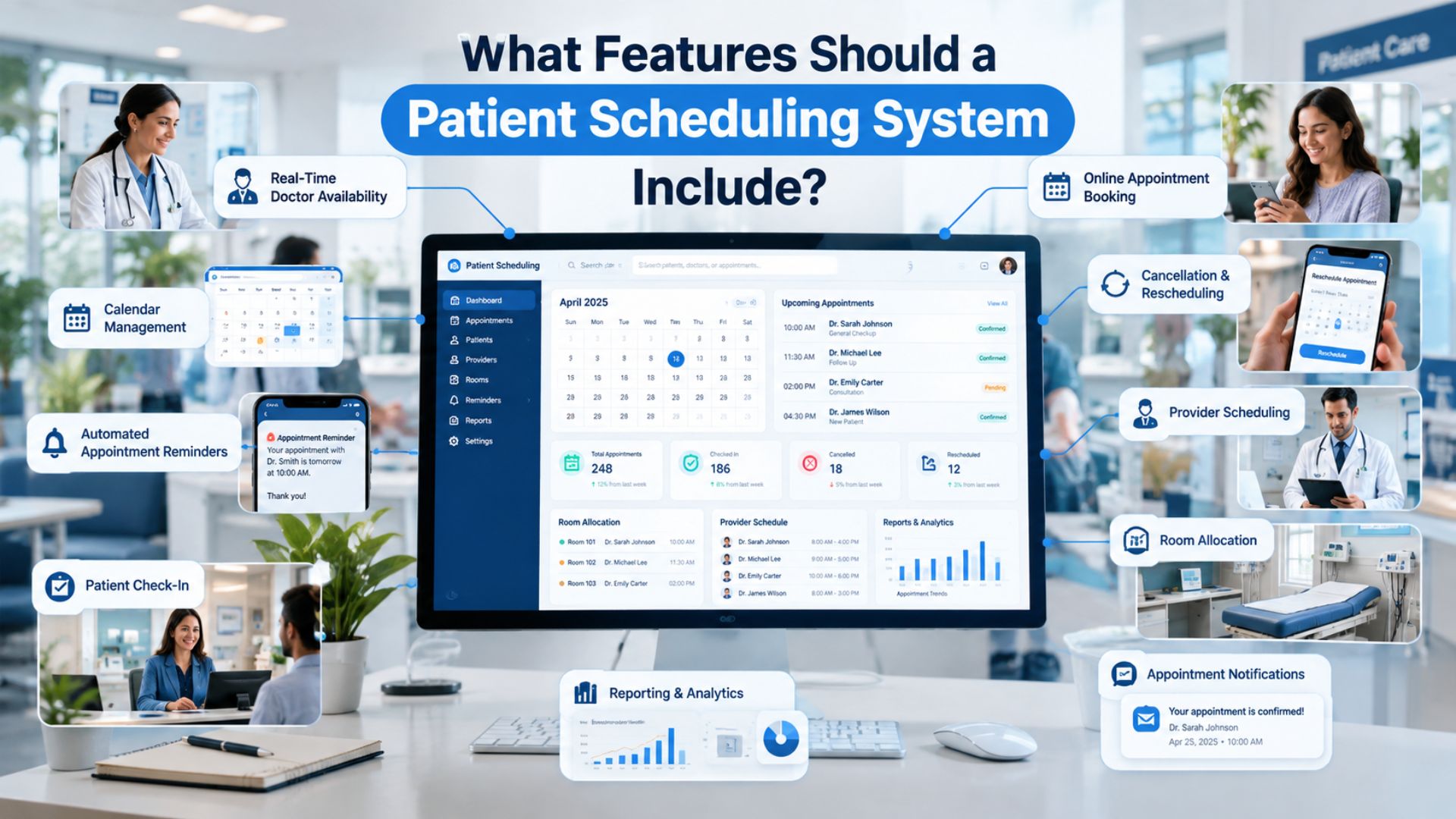
The right features depend on the needs of the healthcare organization, but useful capabilities may include online appointment booking, real-time provider availability, automated reminders, appointment confirmation, cancellation and rescheduling, calendar management, multiple provider scheduling, reporting, and integration with other healthcare systems.
Mobile accessibility can also be valuable because it allows staff and patients to interact with scheduling tools across different devices.
Security is another important consideration. Healthcare organizations should use appropriate safeguards to protect sensitive patient information and ensure that scheduling data is accessible only to authorized users.
Can a Patient Scheduling System Reduce Healthcare Costs?
It can potentially contribute to cost efficiency by reducing administrative workload, minimizing scheduling errors, decreasing unused appointment slots, and improving resource utilization.
When routine scheduling activities are automated, staff can spend less time on repetitive administrative tasks. Better appointment utilization may also help healthcare organizations make more effective use of provider time and facility capacity.
The actual impact depends on how the system is implemented, how well it integrates with existing workflows, and how effectively staff and patients use it.
You can also watch: ***[Everyone is working, but the system is not connected](https://youtube.com/shorts/Ul_7E1sMpuI?si=OKm8Co1e-aeUwiJ3)***.
Conclusion
A ***[patient scheduling system](https://medcore.software/blog/patient-scheduling-system/)*** can improve healthcare efficiency by reducing manual work, preventing scheduling conflicts, optimizing provider time, reducing waiting periods, minimizing missed appointments, and improving communication.
It can also help healthcare organizations use staff, rooms, and other resources more effectively while giving patients a simpler way to manage their appointments. As healthcare continues to adopt digital solutions, patient scheduling technology can play an important role in creating more organized, accessible, and efficient healthcare operations.