**Is Your Facebook Business Presence Helping Your Business or Holding It Back?**
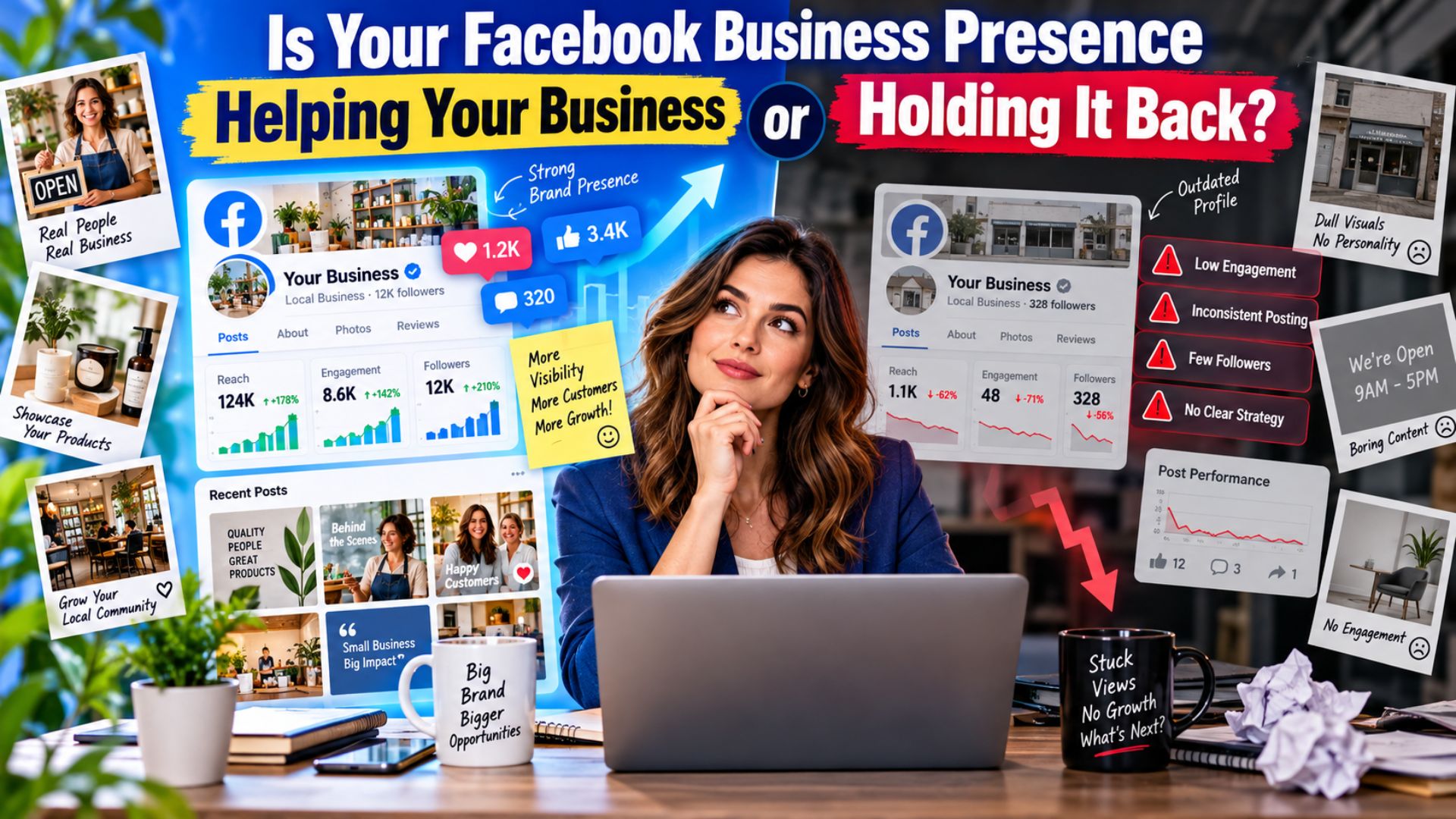
Is your business getting real customers from Facebook, or are you spending hours posting content without seeing meaningful results? Having an active social media presence does not automatically translate into business growth.
A well-managed ***[Facebook Business Page](https://blog.socioboard.com/optimize-your-facebook-business-page-2022/)*** can help brands increase visibility, connect with potential customers, establish credibility, and generate inquiries. However, outdated information, inconsistent posting, and poor audience interaction can limit its effectiveness.
**Quick Answer**: Your business presence on Facebook is helping if it attracts relevant visitors, encourages meaningful interactions, generates inquiries, and supports measurable business goals. If your content receives little attention and produces no useful results, your approach may need improvement.
Understanding what works and what does not is the first step toward turning your online presence into a valuable marketing asset.
**Why Is Having a Facebook Presence Important for Businesses?**
Facebook provides businesses with a space to communicate with customers, showcase products, share updates, and build brand recognition.
Potential customers may visit your profile before making a purchase or contacting your company. What they see can influence their decision.
An informative and regularly maintained profile can demonstrate professionalism and make essential business details easier to find.
**What Are the Main Benefits?**
* Greater brand visibility: Helps potential customers discover your products and services.
* Direct customer communication: Respond to inquiries through comments and messages.
* Business credibility: Share accurate information, genuine reviews, and useful updates.
* Website traffic: Guide interested visitors toward relevant website pages.
* Customer relationships: Maintain communication with existing and potential customers.
However, these benefits depend on how effectively your business manages its presence.
**How Can You Tell Whether Your Facebook Presence Is Underperforming?**
An account may appear active while contributing very little to business growth.
Recognizing warning signs can help identify problems before they become long-term marketing challenges.
**1. Your Posts Receive Very Little Interaction**
If people rarely comment, share, or react to your content, your posts may not match their interests.
Review whether your content provides useful information, answers questions, or encourages meaningful discussion.
**2. Your Business Information Is Outdated**
Incorrect contact details, missing website links, or outdated operating hours can frustrate potential customers.
Keep essential information accurate and easy to access.
**3. You Publish Without a Clear Purpose**
Posting occasionally without defined objectives makes performance difficult to evaluate.
Every post should serve a purpose, whether educating customers, promoting a relevant offer, or encouraging inquiries.
**4. You Ignore Customer Questions**
Unanswered comments and messages can create a negative impression.
Responding promptly and professionally helps demonstrate that your business values customer communication.
**How Can Businesses Improve Their Facebook Marketing Results?**
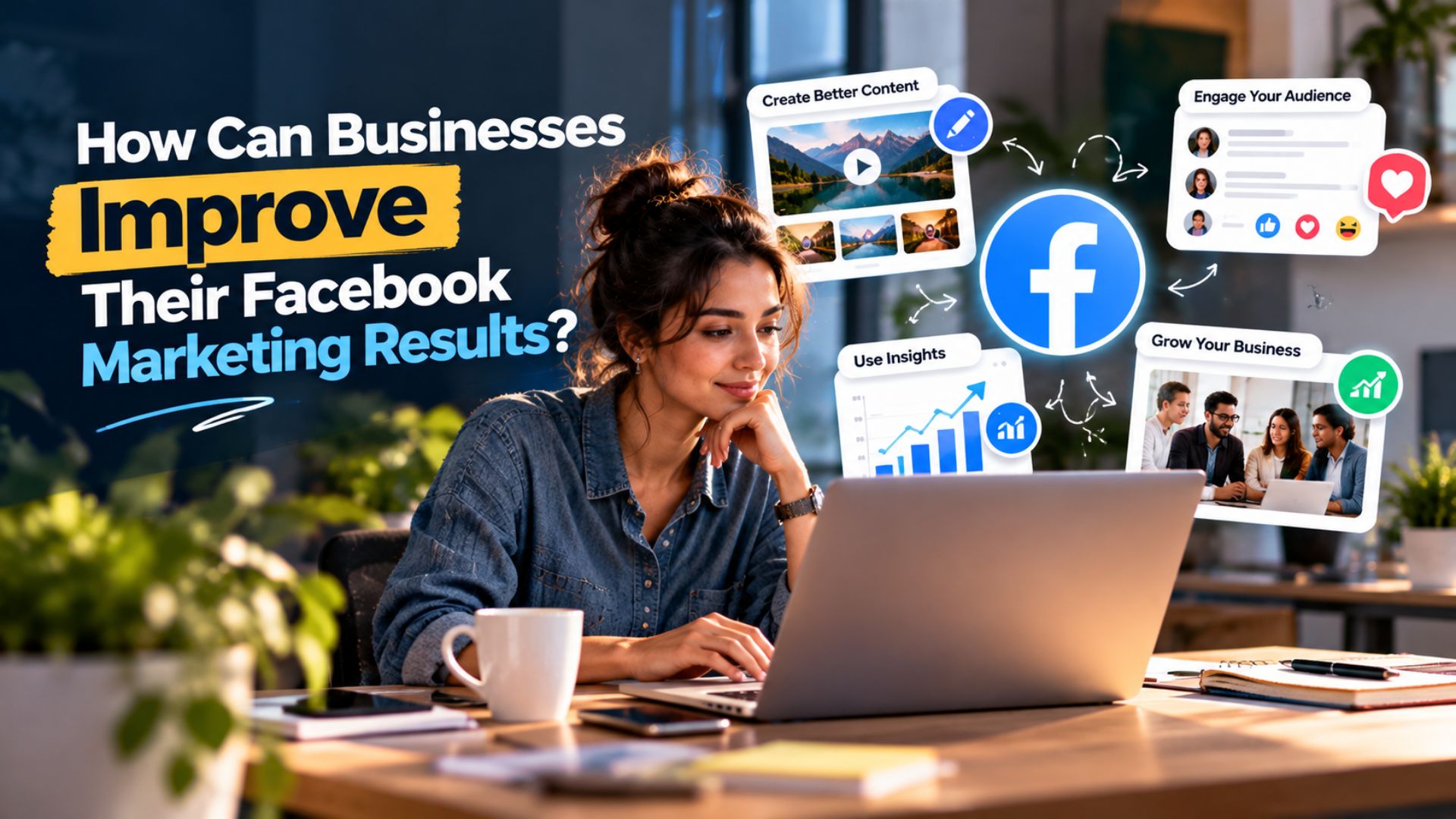
Improving performance requires more than increasing posting frequency.
Businesses should focus on relevance, consistency, and measurable customer actions.
**Step 1: Optimize Your Business Profile**
Start by reviewing the information customers see first.
Update your profile image, cover photo, business description, contact details, and website link.
Make sure customers can quickly understand what your business offers.
**Step 2: Create Content Your Audience Actually Wants**
Understand the problems, interests, and questions of your target audience.
Share educational posts, helpful tips, product demonstrations, customer stories, and relevant company updates.
Businesses considering a ***[Social media marketing service](https://blog.socioboard.com/social-media-marketing-services-socioboard/)*** should evaluate whether the provider can develop audience-focused content and measure results rather than simply publish more posts.
**Step 3: Maintain a Consistent Posting Schedule**
Consistency helps businesses maintain an organized communication routine.
Create a monthly calendar that includes content topics, publishing dates, campaign goals, and responsible team members.
Focus on quality rather than posting excessively.
**Step 4: Encourage Meaningful Conversations**
Ask relevant questions, respond to feedback, and create posts that invite useful discussion.
Avoid artificial engagement tactics that pressure users into reacting or sharing.
Genuine interactions provide better insight into customer interests.
**Step 5: Use Relevant Calls to Action**
Guide interested visitors toward a useful next step.
Depending on the post, this could involve visiting your
website, requesting information, exploring a product, or contacting your business.
Choose actions that align with customer intent rather than adding promotional messages everywhere.
**How Can Social Media Management Tools Help?**
Managing content, customer interactions, and performance across multiple channels can become challenging.
Social media management platforms help businesses organize publishing workflows and coordinate marketing activities.
For example, ***[SocioBoard](https://socioboard.com/)*** offers features for scheduling social media posts, managing multiple accounts, tracking analytics, and supporting team collaboration.
These capabilities can help businesses maintain consistency and review performance without managing every activity manually.
However, software alone cannot improve weak content or create meaningful customer relationships. Businesses still need
relevant messaging and clear objectives.
**What Metrics Should Businesses Track?**

Follower counts alone cannot determine whether your Facebook marketing is successful.
Track metrics connected to your business goals:
1. Reach: How many people see your content.
1. Interactions: How users respond through comments, reactions, and shares.
1. Link clicks: How frequently people visit your website or landing pages.
1. Customer inquiries: How many relevant messages or leads you receive.
1. Conversions: How many visitors complete desired actions, such as purchases or bookings.
Use available Meta Business Suite insights alongside website analytics to understand which activities contribute to results.
Remember that a post with fewer reactions may still be valuable if it generates qualified customer inquiries.
**What Common Facebook Marketing Mistakes Should Businesses Avoid?**
Several mistakes can prevent businesses from achieving meaningful results.
* Posting only promotional content.
* Ignoring customer comments and messages.
* Using low-quality or irrelevant visuals.
* Publishing without understanding audience interests.
* Measuring success only through likes and followers.
* Failing to review performance and update ineffective approaches.
* Regularly evaluating these issues helps businesses make informed improvements.
You can also watch this video: ***[The Future of Social Media Marketing (Do This Before 2027)](https://youtu.be/9lMlK4h8z8k?si=QJSqdOxKrksQYW6w)***
**Conclusion**
Your Facebook presence should do more than display your business name and publish occasional updates. It should help customers discover your services, understand your value, and take meaningful action.
Improving ***[Facebook page engagement](https://blog.socioboard.com/optimize-your-facebook-business-page-2022/)*** requires relevant content, consistent communication, accurate business information, and regular performance reviews.
Instead of focusing entirely on follower growth, prioritize customer inquiries, website visits, and other results that support your business objectives.
A strong online presence is not measured by how often you post, but by how effectively your content connects with the people you want to reach.
**Frequently Asked Questions (FAQs)**
**1. Why Is My Business Getting Low Engagement on Facebook?**
Low interaction may result from irrelevant content, inconsistent publishing, limited audience interest, or posts that do not encourage useful conversations.
**2. How Often Should a Business Post on Facebook?**
There is no universal posting frequency. Choose a manageable schedule, publish useful content consistently, and adjust based on audience response.
**3. Can Facebook Help Small Businesses Generate Leads?**
Yes. Businesses can generate inquiries through organic posts, customer messages, website links, and paid advertising. Results depend on targeting, content quality, and the offer.
**4. What Type of Facebook Content Works Best?**
Helpful tutorials, authentic customer stories, product demonstrations, short videos, and relevant announcements can perform well. Effectiveness varies by audience.
**5. How Do I Know Whether My Facebook Marketing Is Successful?**
Compare performance against measurable goals such as qualified inquiries, website visits, conversions, and customer interactions rather than relying only on follower counts.