How Can LIMS Software Streamline Laboratory Workflows?
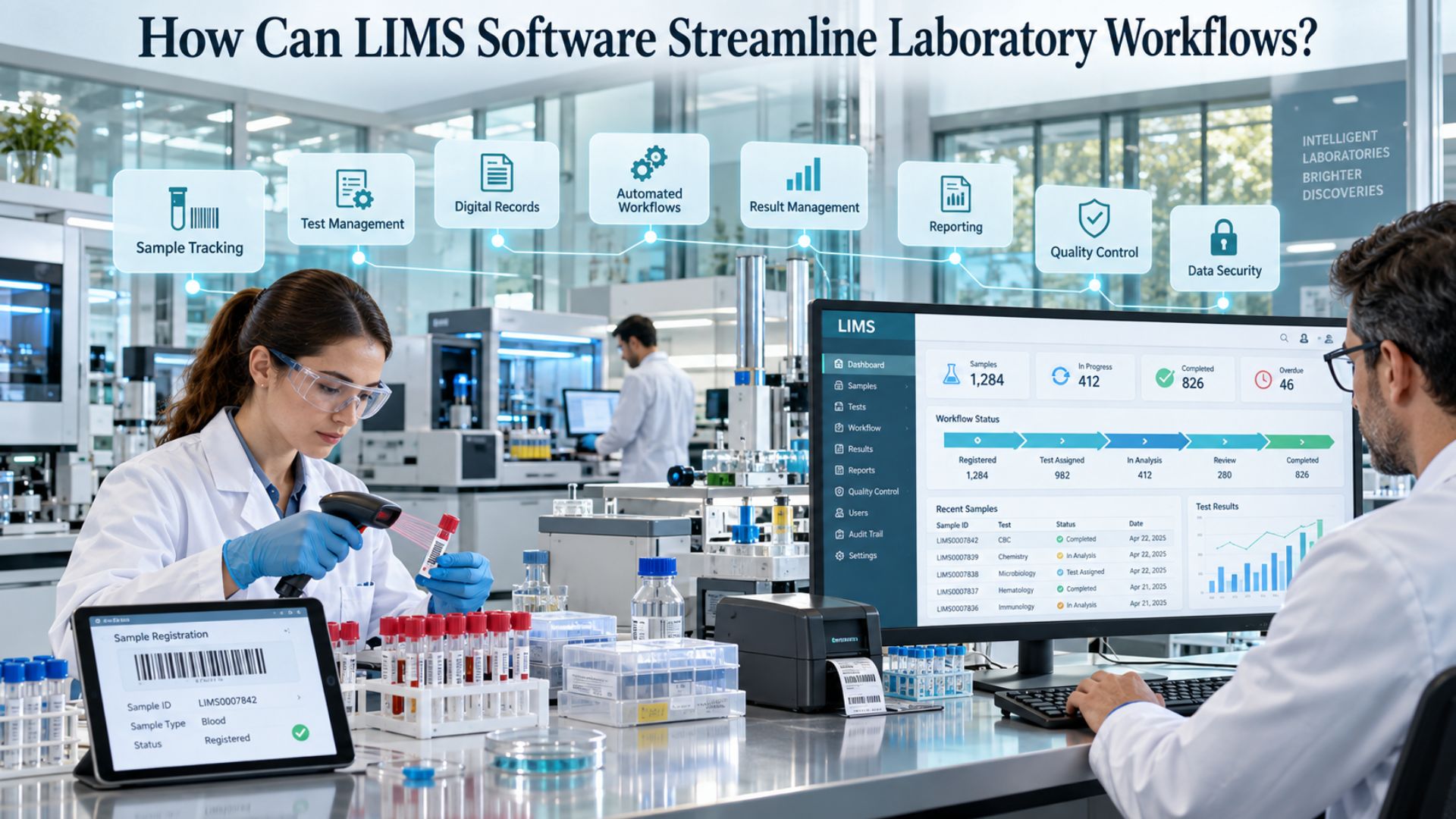
Modern laboratories handle large volumes of samples, test requests, patient information, results, and administrative tasks every day. Managing these processes manually can create delays, increase paperwork, and make it harder to maintain accurate records. ***[LIMS software](https://medcore.software/blog/lims-software/)*** helps laboratories organize these activities through a centralized digital system that connects sample management, testing, reporting, and data handling.
By automating repetitive tasks and keeping laboratory information organized, a LIMS can help create more consistent, efficient, and transparent workflows.
What Is LIMS Software?
A Laboratory Information Management System (LIMS) is a digital platform designed to manage laboratory processes and information. It can help laboratories track samples, manage test requests, record results, maintain documentation, and monitor workflow activities from a centralized system.
Depending on the laboratory's requirements, a LIMS may support clinical laboratories, diagnostic centers, research facilities, pharmaceutical laboratories, and other testing environments.
How Can LIMS Software Streamline Laboratory Workflows?
1. Simplifies Sample Management
Sample handling is one of the most important parts of laboratory operations. LIMS can create digital sample records and track samples throughout their lifecycle.
From registration and labeling to testing, storage, and result reporting, laboratory staff can have better visibility into where each sample is within the workflow. This can reduce dependence on manual registers and make sample tracking more organized.
2. Automates Sample Registration
Manual data entry can take significant time, particularly when laboratories process a large number of samples. LIMS can streamline sample registration by capturing essential information digitally.
Barcode and identification features can also help staff quickly locate and update sample records while reducing repetitive data-entry tasks.
3. Improves Test Assignment and Workflow Management
Once a sample is registered, it may need to pass through multiple testing stages. A LIMS can help assign tests, route samples to appropriate laboratory sections, and provide visibility into pending activities.
This organized workflow can help laboratory teams understand what needs to be completed and reduce unnecessary movement between departments.
4. Reduces Manual Data Entry
Repeatedly entering information into spreadsheets, registers, or separate systems can increase administrative workload. LIMS can centralize laboratory data so that authorized users can access and update information within the same system.
Reducing unnecessary duplication can help improve consistency and allow laboratory professionals to spend more time on core laboratory activities.
5. Organizes Laboratory Results
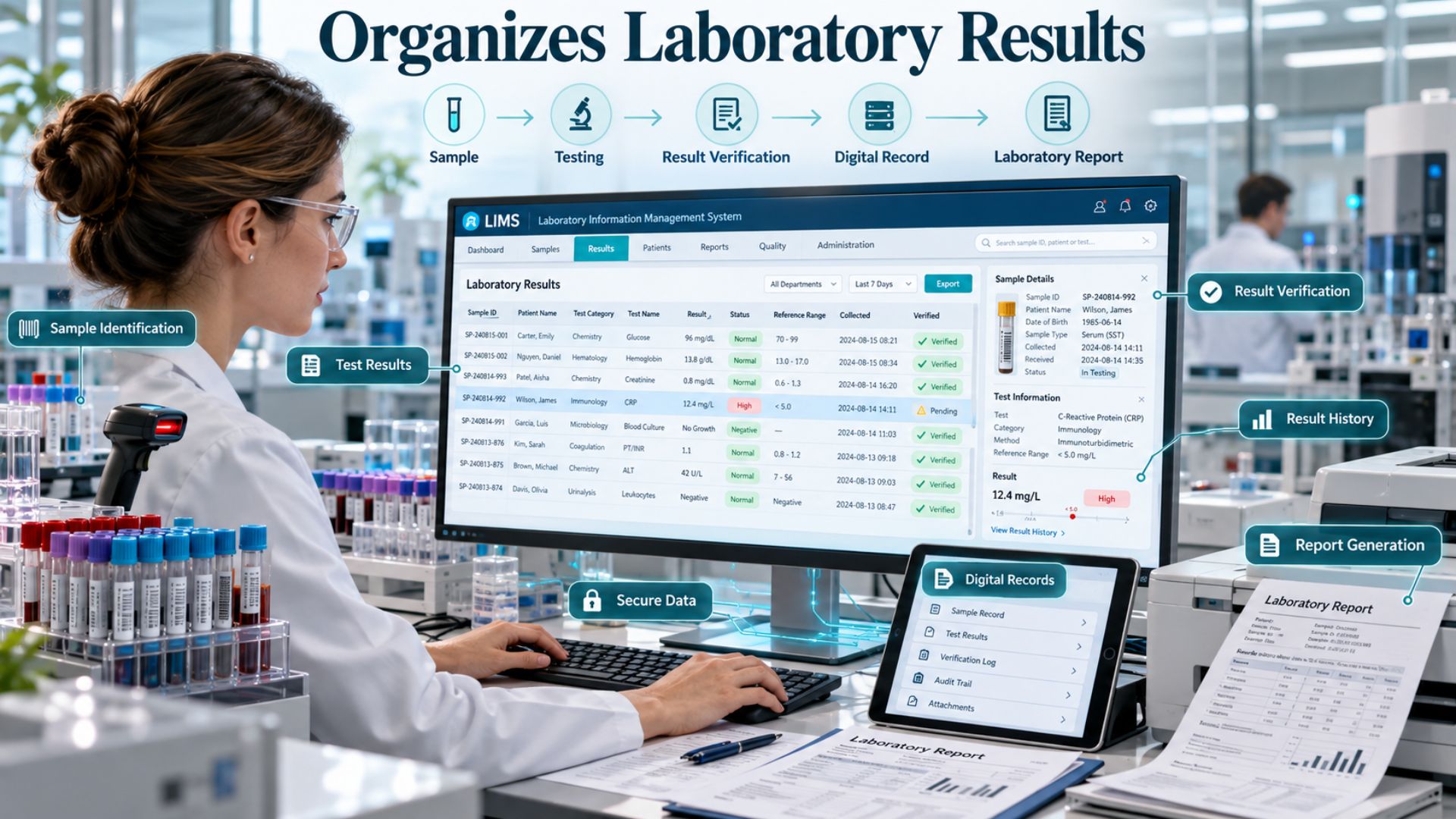
LIMS can provide a structured environment for recording and managing test results. Results can be associated with the appropriate sample and test request, creating a clear digital record.
This makes it easier for authorized staff to review information, identify completed tests, and prepare reports without relying heavily on disconnected paperwork.
6. Supports Faster Reporting
Reporting is a critical part of laboratory workflows. Instead of manually compiling information from multiple sources, a LIMS can help organize completed test data and support standardized report generation.
Depending on the system configuration, reports can be reviewed and shared through appropriate digital workflows, helping reduce administrative delays.
7. Strengthens Data Accuracy and Traceability
Laboratories need reliable records to support quality processes and operational accountability. LIMS can maintain organized records of samples, tests, results, users, and workflow activities.
Audit trails and controlled access can also help laboratories understand who performed specific actions and when changes were made, supporting better traceability.
8. Improves Communication Between Laboratory Teams
Laboratory workflows often involve multiple professionals and departments. A centralized system can help authorized team members access relevant information without repeatedly requesting updates from other staff.
This shared visibility can improve coordination between sample collection, laboratory testing, quality teams, reporting staff, and other departments.
9. Supports Quality Control
Quality control is an important part of laboratory operations. LIMS can help organize quality-related information, testing records, reference data, and workflow documentation.
By keeping important information centralized and easier to track, laboratories can establish more consistent processes and identify workflow issues that require attention.
10. Provides Useful Reports and Analytics
Laboratory managers need visibility into operational performance. LIMS can provide reports and dashboards related to sample volumes, test status, turnaround times, workload, and other configured metrics.
These insights can help laboratory teams identify bottlenecks, monitor workloads, and make informed decisions about workflow improvements.
How Does LIMS Software Improve Laboratory Efficiency?
The main advantage of LIMS is its ability to connect different laboratory activities within one organized digital workflow. Instead of treating registration, sample tracking, testing, results, reporting, and documentation as separate processes, a LIMS can connect them through a centralized platform.
This can reduce repetitive administrative work, improve information visibility, and help teams manage laboratory activities more consistently.
What Should Laboratories Consider When Choosing LIMS Software?
Laboratories should evaluate a LIMS based on their specific workflows and operational requirements. Important considerations can include ease of use, sample tracking capabilities, reporting, data security, user permissions, integration options, scalability, automation, and staff training.
Integration with other healthcare or laboratory systems may also be important for organizations that need information to move efficiently between different platforms.
The Future of Laboratory Workflow Management
As laboratories continue adopting digital technologies, workflow management is becoming increasingly connected and data-driven. Modern LIMS platforms can provide a foundation for automation, centralized information management, analytics, and integration with other digital systems.
The goal is not simply to replace paper records with digital ones. An effective system should help laboratories create clearer workflows, reduce repetitive tasks, improve traceability, and make relevant information easier to access.
You can also watch: ***[Everyone is working, but the system is not connected](https://youtube.com/shorts/Ul_7E1sMpuI?si=OKm8Co1e-aeUwiJ3)***.
Summary
***[LIMS software](https://medcore.software/blog/lims-software/)*** can streamline laboratory workflows by organizing sample management, automating registration, supporting test assignment, reducing manual data entry, improving result management, simplifying reporting, strengthening traceability, and providing useful operational insights. By connecting these processes through a centralized digital platform, laboratories can build more organized and efficient workflows while supporting better information management and quality practices.
FAQs:
1. What is LIMS software?
LIMS software, or Laboratory Information Management System software, is a digital platform that helps laboratories manage samples, tests, results, records, workflows, and laboratory data from a centralized system.
2. How can LIMS software streamline laboratory workflows?
LIMS software can streamline workflows by automating sample registration, tracking samples, managing test assignments, organizing results, supporting reporting, reducing repetitive data entry, and improving communication between laboratory teams.
3. How does LIMS improve sample management?
LIMS helps laboratories digitally track samples throughout their lifecycle, from registration and labeling to testing, storage, and reporting. This provides better visibility and traceability of laboratory samples.
4. Can LIMS software reduce manual data entry?
Yes. LIMS can automate or simplify repetitive data-entry tasks by centralizing laboratory information and using features such as barcode-based sample identification and automated record updates.