**Can AI Influencers Create New Opportunities for Modern Brands?**
What if brands could explore new marketing opportunities through digital personalities without depending entirely on traditional social media creators? Technology is changing how businesses approach online promotion, and virtual personalities are becoming an interesting part of this shift. An ***[AI influencer](https://creatorsville.com/influencer-campaign-analytics-and-roi-tracking-2026-2/)*** is a digitally created personality designed to produce content, interact with audiences, and represent brands across social media platforms. These virtual creators offer businesses new ways to experiment with storytelling, visual content, and promotional strategies. However, successful campaigns require more than attractive digital characters. Brands must consider audience expectations, transparency, content quality, and long-term marketing objectives before investing in this emerging approach.
**What Are Virtual Digital Creators?**
Virtual digital creators are computer-generated personalities developed using artificial intelligence, digital design, and animation technologies. These characters can have recognizable appearances, communication styles, interests, and personalities that help establish a consistent online identity.
Unlike human creators, virtual personalities do not have physical lives or personal experiences. Their content is developed through digital production processes, creative direction, and technology-assisted workflows.
For example, a fashion company might develop a virtual personality that shares outfit inspiration, introduces seasonal collections, and presents styling ideas. A technology brand could create a digital character that explains product features through short videos.
The purpose is to provide brands with another creative format for communicating with online audiences while maintaining control over the character's presentation and content direction.
**How Do Virtual Creators Work?**
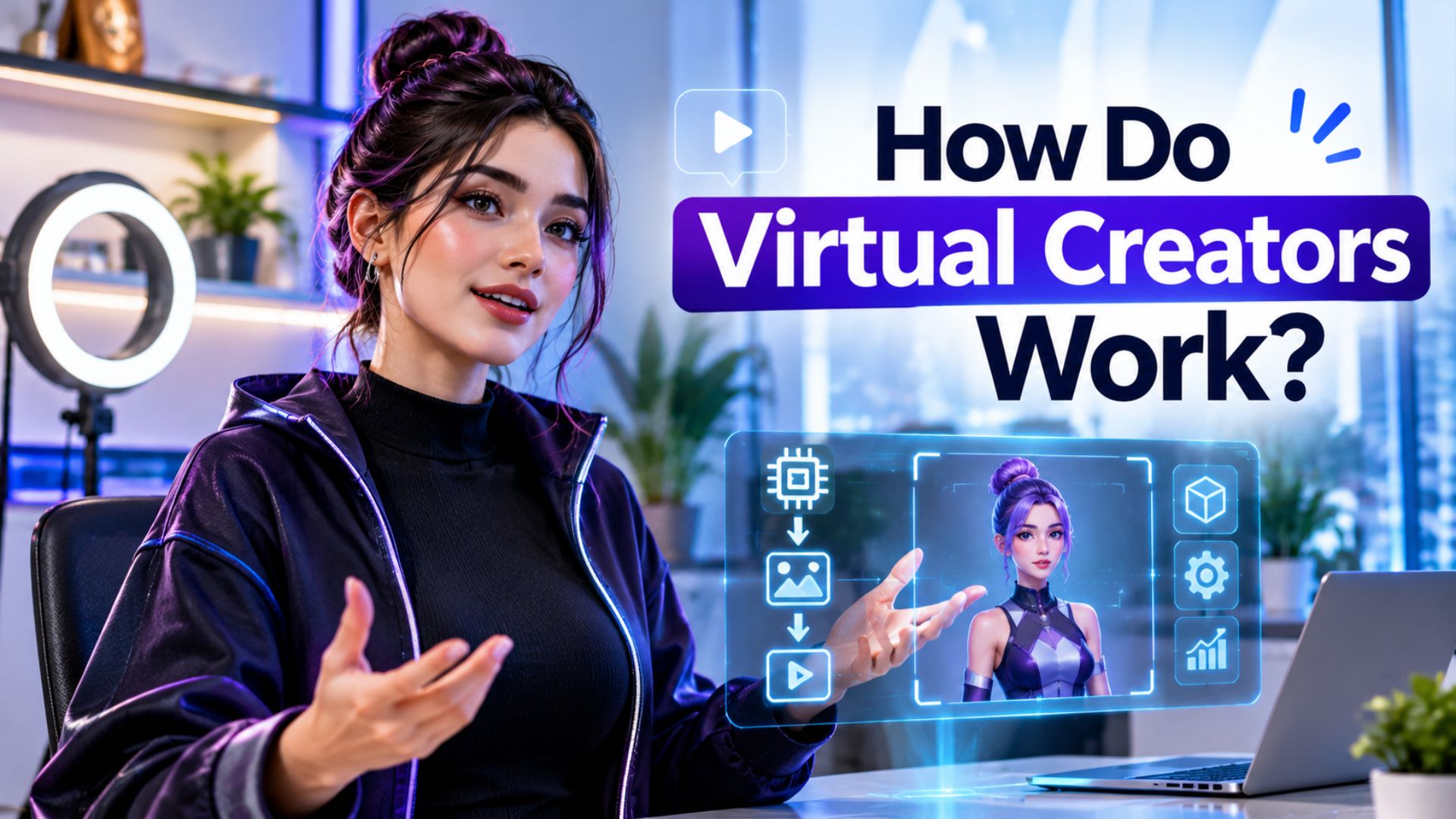
Creating and managing a digital personality involves several connected processes. Each stage contributes to its appearance, communication style, and overall marketing performance.
Character development: Brands establish the character's visual identity, personality, interests, and communication style. Consistency helps audiences recognize the personality across different platforms.
Content production: Creative teams use digital design, animation, and AI-powered tools to produce images, videos, captions, and other social media materials.
Audience engagement: Virtual personalities can participate in digital conversations through planned responses and technology-assisted interactions. An ***[influencer CRM](https://youtube.com/shorts/MPaaQ-GlR8g?si=x1QC-lMDmVyY3Htk)*** helps brands organize creator relationships and manage campaign communication. Human supervision remains important to ensure appropriate communication.
Campaign management: Marketing teams organize publishing schedules, promotional activities, brand collaborations, and content approvals to maintain consistency.
Performance tracking: Brands review engagement, reach, audience responses, and conversions to understand whether their campaigns are achieving their objectives.
**Why Are Brands Exploring Virtual Creators?**
Businesses are exploring digital personalities because they introduce creative possibilities that traditional promotional formats may not always provide.
One important advantage is creative control. Brands can establish the character's appearance, communication style, and content direction without depending on a creator's changing personal schedule.
Another benefit is content flexibility. Digital characters can appear in different campaign settings, promotional concepts, and storytelling formats without requiring physical photoshoots for every creative idea.
Virtual personalities can also support consistent brand communication. When managed carefully, their visual identity and messaging can remain recognizable across multiple campaigns.
However, these advantages do not guarantee stronger engagement or higher sales. Audience interest, creative quality, platform suitability, and campaign execution still influence results.
**How Can Businesses Use Virtual Personalities in Marketing?**
Businesses can introduce digital personalities through different promotional activities depending on their industry and target audience.
Fashion and beauty companies can use virtual characters to present product collections, demonstrate styling concepts, and share seasonal inspiration. Technology businesses can develop educational content explaining digital products, software features, and emerging innovations.
Entertainment brands can use fictional personalities for storytelling, promotional announcements, and interactive content experiences. Similarly, lifestyle businesses can create digital characters that share themed recommendations and visually engaging brand messages.
For example, a skincare company could develop a virtual character that introduces its product range through educational videos. The content should provide accurate product information and avoid unsupported claims about results.
The most effective approach is to connect the character's identity with a clear campaign objective rather than creating digital content simply because the technology is available.
You can also watch: ***[Say hello to Creators Ville](https://youtube.com/shorts/MPaaQ-GlR8g?si=x1QC-lMDmVyY3Htk)***
**Conclusion**
An ***[AI influencer](https://creatorsville.com/influencer-campaign-analytics-and-roi-tracking-2026-2/)*** represents an evolving opportunity for brands interested in digital storytelling, creative campaigns, and new approaches to online engagement. Virtual personalities provide flexibility and greater control over content development, but they also require thoughtful planning, transparency, and realistic performance expectations. Businesses should evaluate their marketing goals, production budgets, and audience preferences before adopting this approach. As digital marketing continues to evolve, brands that balance technological innovation with responsible communication can explore new ways to strengthen their online presence. Start evaluating your campaign goals and identify where virtual creators could support your marketing strategy.
**FAQs**
**What is a virtual social media personality?**
A virtual social media personality is a computer-generated character that creates content, represents brands, and engages with online audiences.
**Are virtual creators better than human influencers?**
Not always. Human creators offer personal experiences, while virtual creators provide greater control over content and appearance.
**How much does it cost to create a virtual personality?**
Costs depend on character design, animation, software, and content production. Advanced projects generally require larger budgets.