**Where Are D2C Brands Overpaying Without Realizing It?**
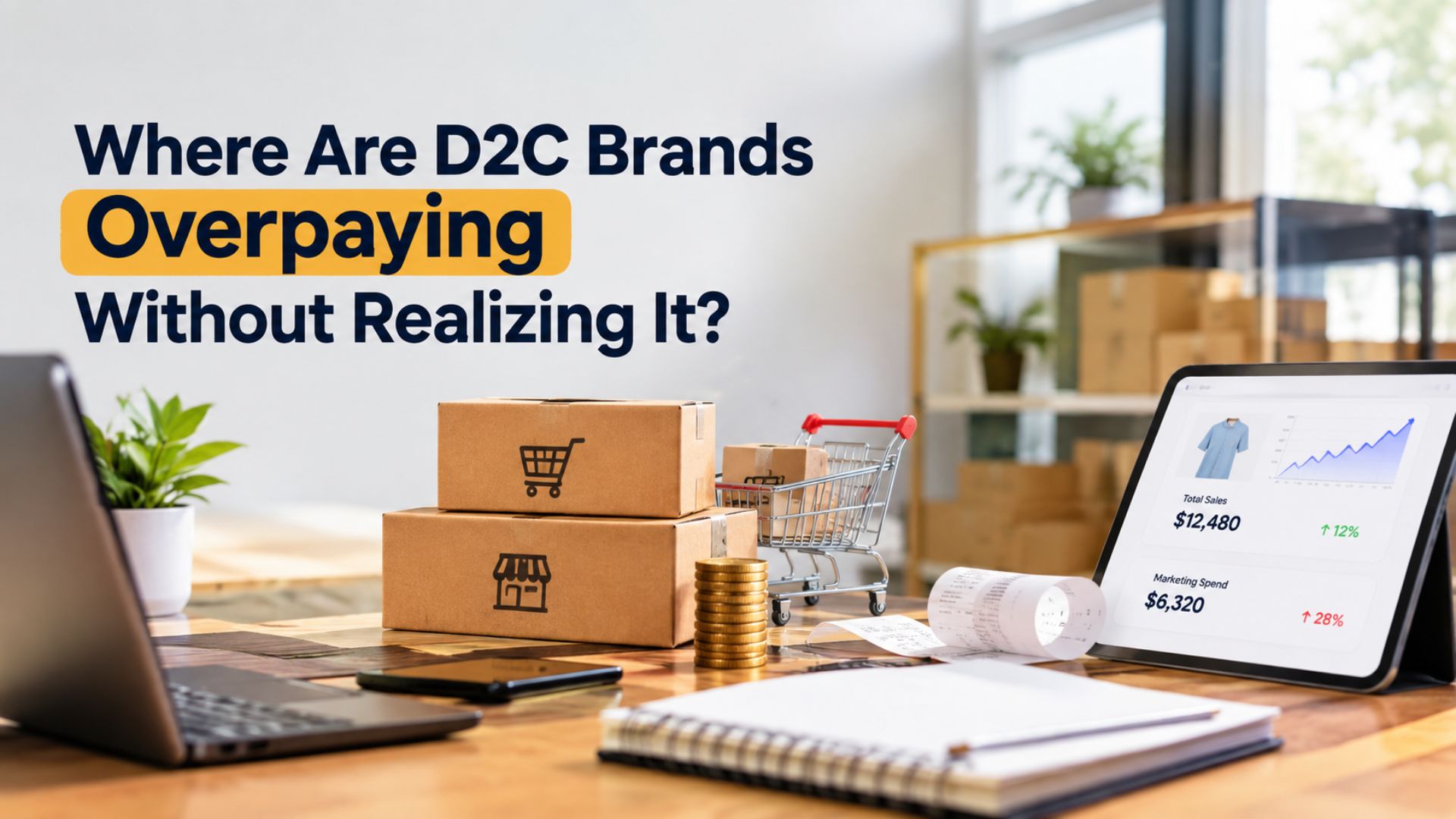
Are strong sales always a sign that a D2C business is financially healthy? Not necessarily. A brand can generate impressive revenue while quietly losing margin through inefficient advertising, excessive discounts, high fulfilment costs, or underused software. ***[D2C Brands Overpaying](https://creatorsville.com/d2c-brands-overpaying/)*** is often less about one major mistake and more about several small expenses that accumulate across the customer journey. Experienced ecommerce operators therefore look beyond top-line revenue and examine contribution margins, acquisition costs, retention, returns, inventory, and operational spending. Understanding where money is being lost allows brands to improve efficiency without simply cutting expenses that support customer experience or long-term growth.
**Where Marketing Spend Can Become Excessive**
Marketing is often one of the first places to investigate because customer acquisition costs can increase quickly as competition grows. Paid social campaigns, search advertising, influencer partnerships, and promotional offers can all generate sales, but revenue alone does not show whether those sales are profitable.
A useful evaluation starts with contribution margin. If a customer purchases a $100 product but the brand spends heavily on advertising, discounts the order, pays fulfillment and transaction fees, and later handles a return, the actual financial contribution may be considerably lower than expected.
Campaign performance should therefore be evaluated beyond clicks and conversion rates. Brands can compare acquisition costs with first-order contribution and, where sufficient customer data exists, examine repeat purchasing behaviour. A campaign producing fewer initial purchases may still have stronger economics if those customers return more frequently.
**Are Discounts Quietly Reducing Margins?**
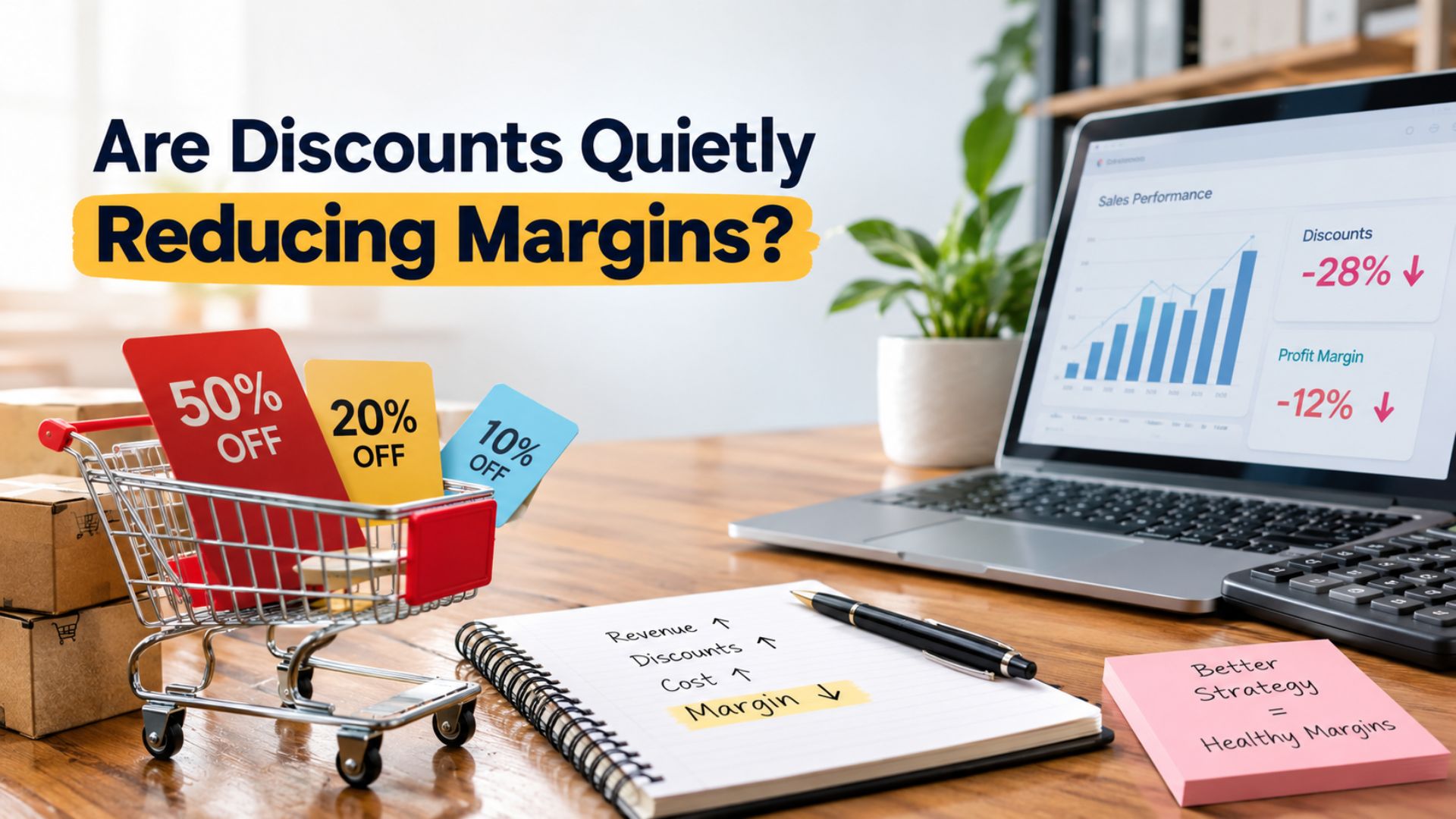
Discounting can be an effective short-term conversion tool, but frequent promotions can create a difficult pattern. Customers may begin waiting for offers instead of purchasing at regular prices. This can reduce perceived product value and make revenue increasingly dependent on promotional periods.
Instead of treating every discount as a sales success, brands should assess its incremental effect. Did the offer generate purchases that would not otherwise have happened? Did it increase order volume enough to compensate for the reduced margin? Did discounted customers return later?
For example, a 20% discount that produces a significant increase in orders may appear successful on the surface. However, if many buyers would have purchased at full price anyway, the promotion may simply transfer margin from the brand to existing demand.
**Where Fulfilment and Returns Create Hidden Costs**
Shipping and fulfilment expenses can become more important as order volume increases. While brands may negotiate better rates at scale, packaging, storage, picking, delivery, replacement shipments, and returns can still reduce profitability. Returns deserve particular attention because they may involve inspection, repackaging, restocking, refurbishment, or disposal beyond the original shipping cost.
**Track Return Patterns Across Products and Channels**
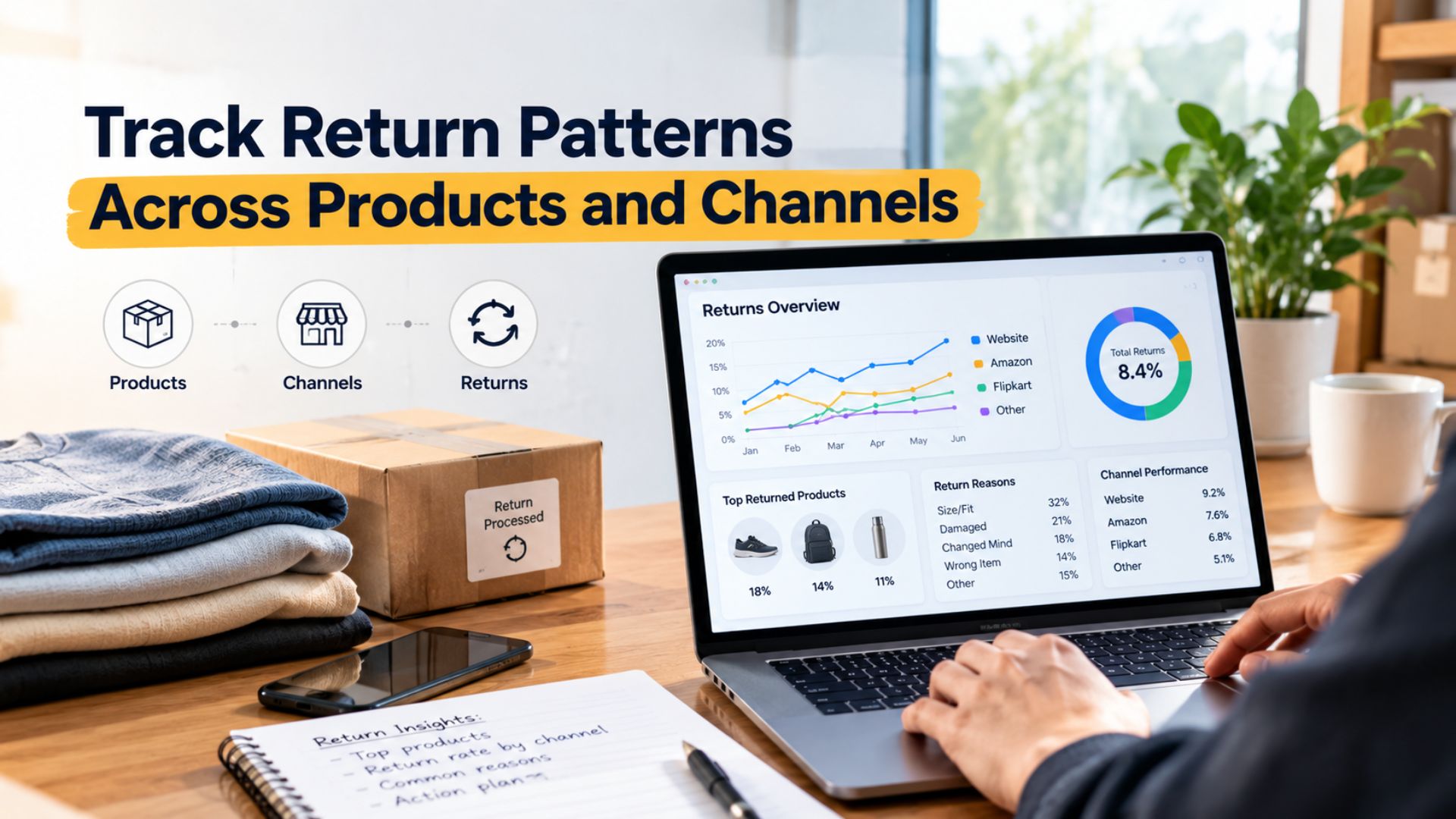
A practical review should compare return rates by product, sales channel, customer segment, and campaign. If one product consistently generates higher returns, the underlying issue could involve sizing information, product expectations, descriptions, quality, or customer targeting rather than fulfillment alone.
**Are Brands Paying for Too Many Tools?**
Technology can improve ecommerce operations, but software costs can quietly expand as a company grows. A brand might use separate platforms for email marketing, customer support, analytics, reviews, subscriptions, inventory, reporting, and customer relationship management.
The issue is not necessarily having multiple tools. The concern is paying for overlapping capabilities or premium features that the team rarely uses.
A quarterly technology review can help identify unused subscriptions, duplicate functions, outdated integrations, and plans that no longer match the company's scale. Consolidating unnecessary tools can reduce costs while keeping the systems that genuinely improve operations.
You can also watch: ***[Say hello to Creators Ville](https://youtube.com/shorts/MPaaQ-GlR8g?si=x1QC-lMDmVyY3Htk)***
**Conclusion**
***[D2C Brands Overpaying](https://creatorsville.com/d2c-brands-overpaying/)*** can often identify unnecessary spending by examining the complete path from acquisition to repeat purchase rather than focusing only on revenue. Marketing efficiency, discounting, fulfilment, returns, inventory, and software expenses can all influence the final margin. The practical goal is not to spend as little as possible, but to understand what each expense contributes to sustainable growth. Brands that regularly review their unit economics can make more informed decisions, protect margins, and redirect resources toward activities that genuinely support long-term customer value. Start with your highest-cost areas and measure their real business impact.
**FAQs**
**Where do D2C brands usually overspend?**
Common areas include paid customer acquisition, excessive discounting, fulfilment, returns, inventory, and unused software subscriptions. The exact source varies by business model, product category, and growth stage, so brands should examine contribution margins rather than assuming one expense is responsible.
**How can a D2C brand reduce costs without hurting growth?**
Start by identifying expenses that have weak or unclear business outcomes. Compare marketing channels using contribution margin and retention, review software utilization, analyze return costs, and evaluate discounts carefully. Cost reductions should preserve activities that directly support customer satisfaction, retention, and sustainable revenue.
**What is the best way to compare D2C costs?**
Compare expenses using several metrics rather than revenue alone. Customer acquisition cost, contribution margin, repeat purchase rate, customer lifetime value, return rate, and fulfillment expenses provide a more complete view. This helps distinguish productive investment from spending that may be reducing profitability without creating equivalent value.