How Can Healthcare Providers Improve Patient Satisfaction?
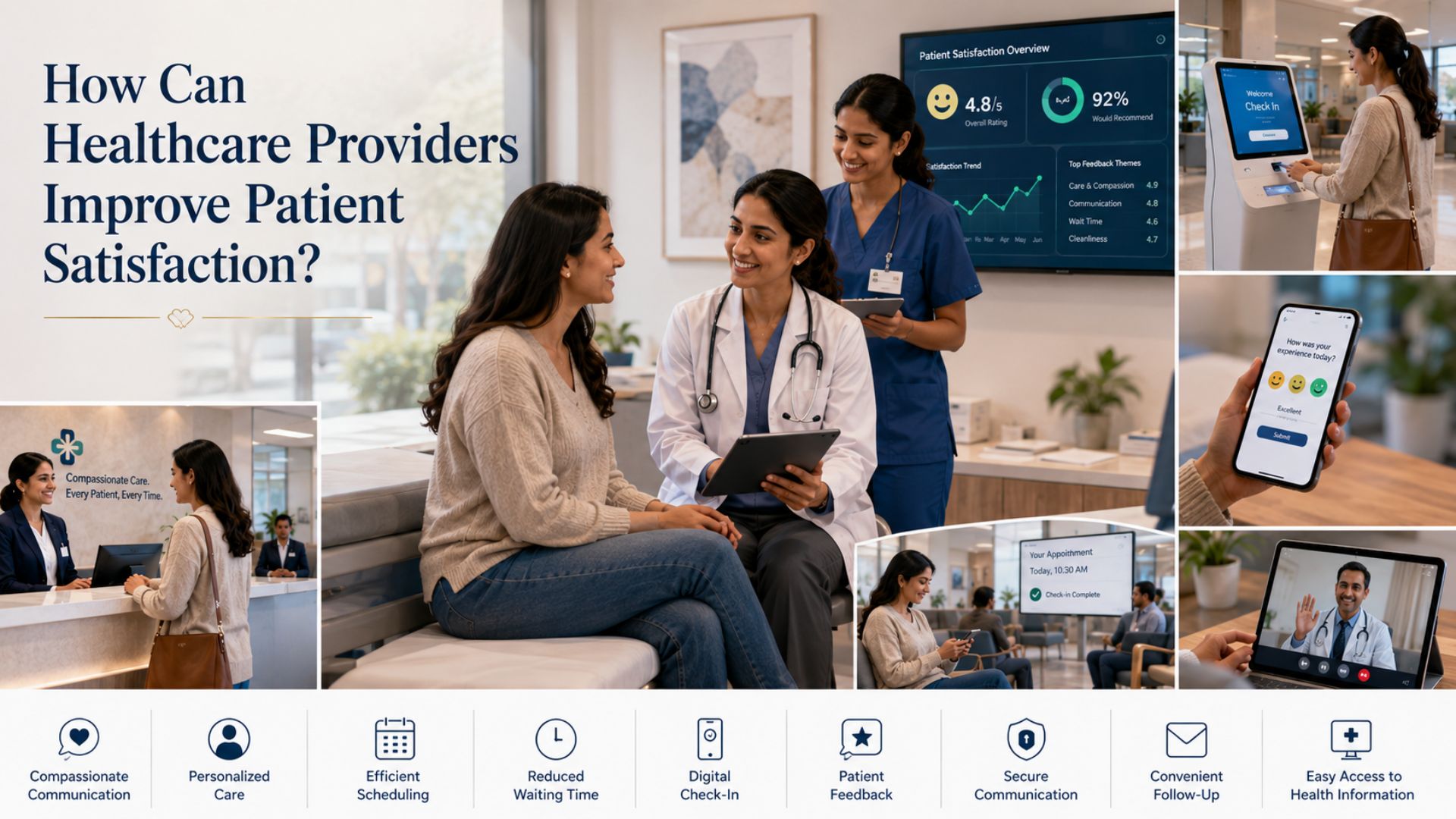
Patient satisfaction has become an important measure of healthcare quality. Patients expect more than accurate diagnosis and effective treatment. They also want convenient access, clear communication, respectful interactions, shorter waiting times, and a comfortable healthcare experience.
For hospitals, clinics, and other healthcare organizations, improving satisfaction requires attention to every stage of the patient journey. From scheduling an appointment to receiving treatment and completing follow-up care, each interaction can influence how patients perceive the quality of a provider.
What Is Patient Satisfaction?
***[patient satisfaction](https://medcore.software/blog/improve-patient-satisfaction/)*** refers to how patients evaluate their healthcare experience based on their expectations, interactions, and the services they receive. It can be influenced by factors such as communication, accessibility, staff behavior, waiting times, facility quality, treatment experience, and follow-up support.
Healthcare providers can improve satisfaction by understanding patient expectations and continuously identifying opportunities to make care more convenient, compassionate, and responsive.
1. Improve Communication With Patients
Clear and respectful communication is one of the simplest ways to build trust. Healthcare professionals should explain diagnoses, treatment options, medications, and follow-up instructions in language that patients can easily understand.
Encouraging patients to ask questions and actively listening to their concerns can also make them feel respected and involved in their care. Consistent communication between different departments further reduces confusion.
2. Reduce Waiting Times
Long waiting periods can create frustration even when patients eventually receive excellent medical care. Healthcare organizations can improve patient flow by optimizing appointment schedules, managing queues, and identifying workflow bottlenecks.
Digital scheduling systems, automated appointment reminders, online check-in, and real-time queue management can help reduce unnecessary delays and make visits more predictable.
3. Make Healthcare More Accessible
Convenience plays a major role in satisfaction. Patients appreciate healthcare services that are easy to access, schedule, and navigate.
Online appointment booking, telemedicine consultations, digital registration, mobile applications, and secure messaging can reduce the effort required to access care. These options are particularly useful for patients who have transportation challenges, limited time, or ongoing healthcare needs.
4. Provide Personalized and Compassionate Care
Patients want to feel that their individual needs are understood. Healthcare professionals can improve satisfaction by considering each patient's preferences, concerns, medical history, and circumstances when delivering care.
Empathy is equally important. Simple actions such as listening attentively, showing patience, and explaining procedures before performing them can create a more supportive experience.
5. Use Technology to Simplify the Patient Journey
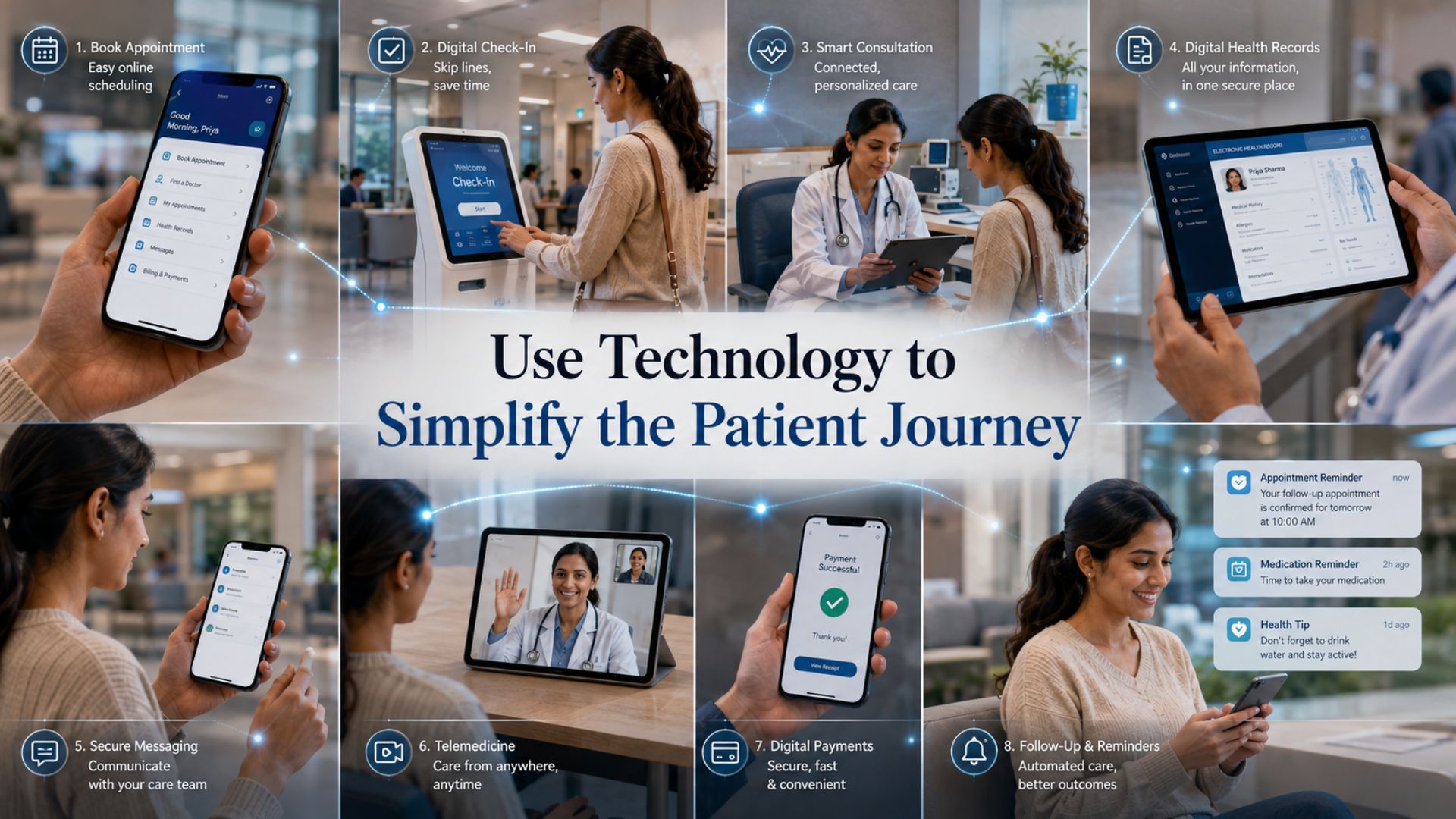
Digital healthcare technology can remove many common sources of frustration. Patient portals can give individuals convenient access to medical records, laboratory results, prescriptions, appointment information, and communication tools.
Healthcare organizations can also use automated notifications for appointments, medication reminders, follow-ups, and important health information. When technology is intuitive and properly integrated, it can improve convenience without replacing personal interaction.
6. Create a Comfortable Healthcare Environment
The physical environment can significantly influence how patients feel. Clean facilities, comfortable waiting areas, clear directions, accessible entrances, and adequate privacy can contribute to a more positive experience.
Healthcare organizations should regularly evaluate their facilities from the patient's perspective and identify areas that may cause unnecessary stress or discomfort.
7. Strengthen Patient Safety and Trust
Patients need confidence that their health and personal information are being handled responsibly. Providers can build trust by maintaining accurate records, protecting confidential information, following safety procedures, and communicating openly.
Consistent safety practices demonstrate that patient well-being is a priority and can strengthen long-term relationships between patients and healthcare organizations.
8. Improve Follow-Up Care
A patient's experience does not end when they leave a hospital or clinic. Effective follow-up can help patients understand their recovery process and stay informed about medications, appointments, and next steps.
Automated reminders, virtual follow-up consultations, patient portals, and secure messaging allow providers to maintain communication after treatment and identify potential concerns earlier.
9. Train Healthcare Staff
Every employee can influence patient satisfaction. Doctors, nurses, receptionists, technicians, and administrative staff all contribute to the overall experience.
Regular training in communication, empathy, problem-solving, cultural awareness, and service quality can help staff respond more effectively to patient needs. A consistent approach across departments creates a more reliable experience.
10. Collect and Act on Patient Feedback
Healthcare providers cannot improve what they do not measure. Surveys, online feedback forms, interviews, reviews, and patient advisory groups can provide valuable insights into what is working and what needs improvement.
However, collecting feedback is only the first step. Organizations should analyze recurring concerns, prioritize improvements, communicate changes, and monitor whether those changes produce better results.
Why Does Patient Satisfaction Matter?
Higher satisfaction can strengthen patient trust and encourage individuals to remain engaged with their healthcare. It can also help organizations identify operational problems and improve the overall quality of their services.
Importantly, patient satisfaction should complement clinical quality. A positive experience cannot replace safe and effective treatment, but good communication, accessibility, empathy, and convenience can make high-quality care easier for patients to navigate and understand.
How Can Technology Support Patient Satisfaction?
Technology can improve multiple points in the patient journey. Integrated healthcare platforms can connect scheduling, patient records, communication, billing, telemedicine, and follow-up activities.
Automation can reduce repetitive administrative work, while digital communication provides patients with faster access to relevant information. Healthcare providers should focus on choosing technology that is secure, user-friendly, accessible, and genuinely useful to patients and staff.
You can also watch: ***[Everyone is working, but the system is not connected](https://youtube.com/shorts/Ul_7E1sMpuI?si=OKm8Co1e-aeUwiJ3)***.
Summary
Improving ***[patient satisfaction](https://medcore.software/blog/improve-patient-satisfaction/)*** requires healthcare providers to focus on both clinical care and the overall patient journey. Clear communication, shorter waiting times, convenient access, personalized care, supportive technology, comfortable facilities, strong safety practices, effective follow-up, trained staff, and meaningful feedback all contribute to a better experience. By continuously listening to patients and improving healthcare processes, organizations can build stronger relationships, increase trust, and create a more patient-centered healthcare environment.
FAQs
1. How can healthcare providers improve patient satisfaction?
Providers can improve satisfaction by strengthening communication, reducing waiting times, improving accessibility, offering personalized care, using convenient technology, training staff, and acting on patient feedback.
2. Why is communication important for patient satisfaction?
Clear communication helps patients understand their health conditions and treatment plans while making them feel heard, respected, and involved in their care.
3. Does technology improve patient satisfaction?
Yes. Tools such as online scheduling, patient portals, telemedicine, secure messaging, and automated reminders can make healthcare more convenient and accessible.
4. How can hospitals reduce patient waiting times?
Hospitals can optimize scheduling, improve patient flow, use online check-in, automate reminders, and identify workflow bottlenecks that cause unnecessary delays.
5. How does patient feedback help healthcare organizations?
Patient feedback highlights areas of strength and recurring problems, allowing healthcare organizations to make targeted improvements and monitor changes over time.han si