# Are You Losing Customers Without Realizing It? The Hidden Power of a Strong Customer Engagement Strategy!
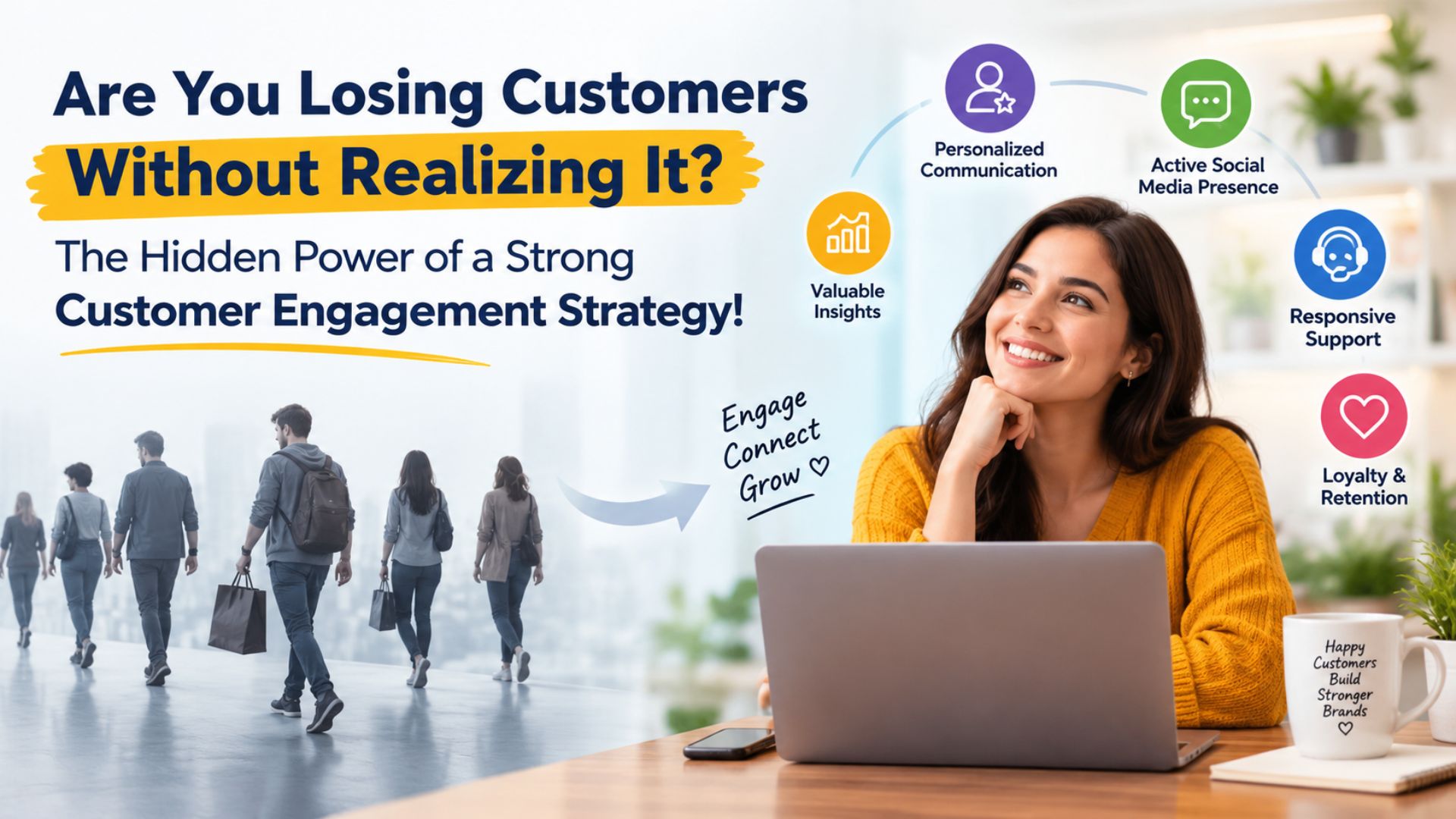
Are your customers quietly losing interest in your brand without telling you? Many businesses focus heavily on attracting new customers but overlook the importance of maintaining existing relationships. A well-planned ***[customer engagement strategy](https://socioboard.com/blog/methods-to-create-top-class-customer-engagement-strategy/
)*** helps businesses create meaningful interactions, understand customer expectations, and encourage long-term loyalty. From personalized communication to responsive customer support, every interaction influences how people perceive a brand. Companies that consistently listen, respond, and deliver value are more likely to build stronger customer relationships. Understanding what your audience needs and engaging with them at the right time can make a significant difference in customer satisfaction and business growth.
Why Is Customer Engagement Important for Business Growth?
Customer engagement goes beyond answering questions or sending promotional emails. It involves building continuous relationships through meaningful interactions across different communication channels.
When customers feel valued, they are more likely to return, recommend a brand, and develop trust in its products or services.
Some important benefits include:
Improved customer retention: Consistent communication helps customers feel connected to a business.
Stronger brand loyalty: Positive experiences encourage repeat purchases and recommendations.
Better customer insights: Feedback and interaction patterns reveal changing preferences.
Increased conversions: Relevant communication can help customers make informed purchasing decisions.
For example, an online clothing store can send personalized product recommendations based on previous purchases. Instead of showing random products, it provides suggestions that match individual interests.
This approach makes communication more relevant and creates a smoother shopping experience.
What Are the Best Ways to Improve Customer Engagement?
Businesses do not need complicated systems to establish meaningful customer relationships. They need consistent communication, relevant content, and a clear understanding of customer expectations.
Here are some practical methods worth implementing.
1. Personalize Customer Communication
Customers appreciate communication that reflects their interests and preferences. Personalized emails, product suggestions, and relevant offers can make interactions more valuable.
Businesses can use purchase history, browsing behavior, and customer feedback to understand individual preferences.
Practical tip: Segment your email subscribers according to their interests instead of sending identical promotional messages to everyone.
2. Maintain an Active Social Media Presence
Social media gives businesses opportunities to interact directly with their audiences. However, simply publishing promotional content is not enough.
Responding to comments, answering questions, conducting polls, and sharing useful information can encourage meaningful participation.
For instance, a digital marketing company can share practical marketing tips and invite followers to discuss their biggest business challenges.
3. Provide Quick and Helpful Customer Support
Slow responses can create frustration and damage customer confidence. Businesses should make it easy for customers to receive assistance through email, live chat, social media, or other support channels.
Consider these improvements:
Establish clear response-time expectations.
Create helpful FAQs for common questions.
Train support representatives to resolve problems effectively.
Follow up after resolving important customer issues.
Remember that resolving a problem properly is often more valuable than simply responding quickly.
How Can Technology Strengthen Customer Relationships?
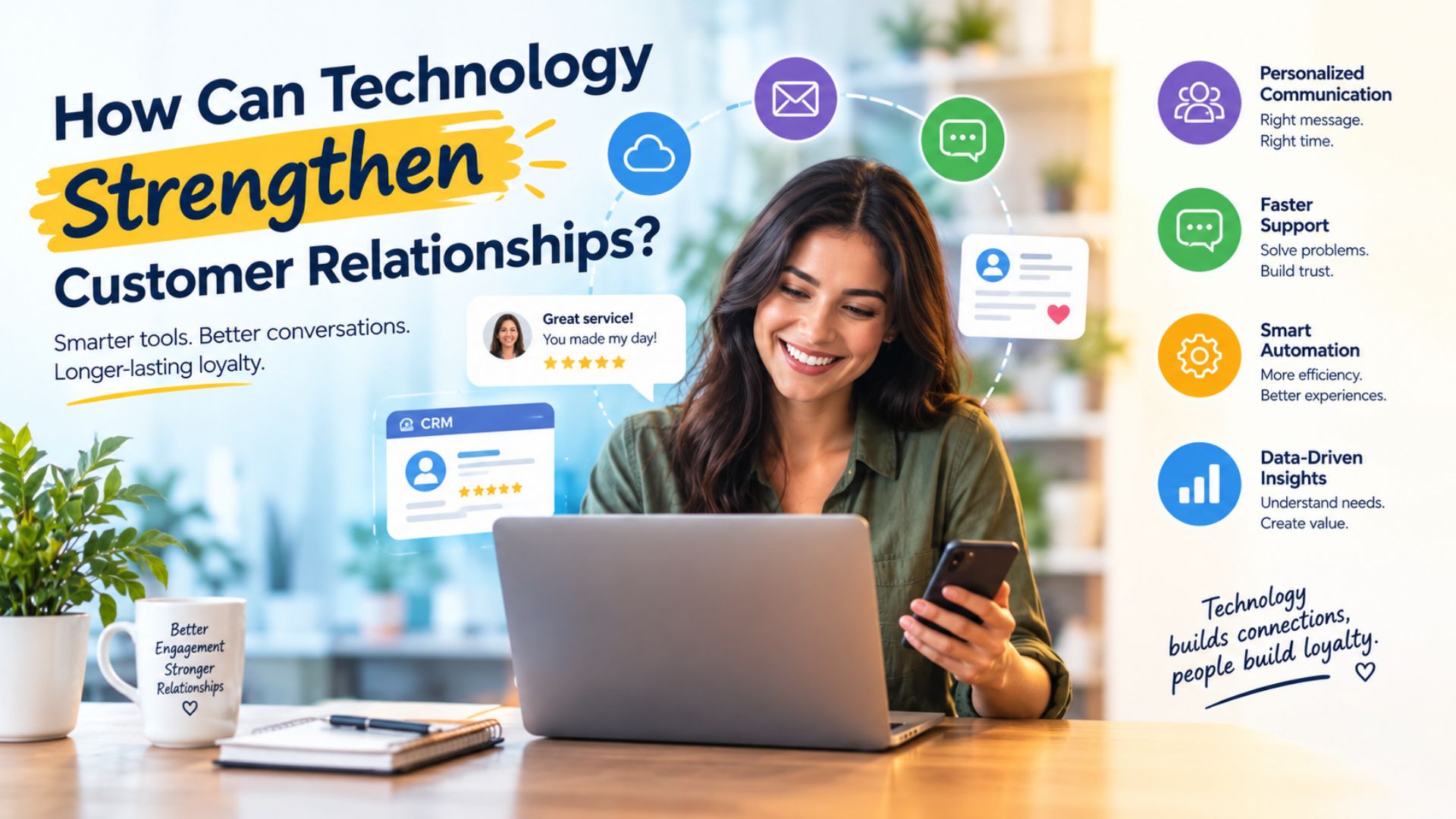
Technology makes it easier for businesses to understand customer behavior and manage interactions across multiple platforms.
Modern customer relationship management (CRM) systems help organize customer information, track communication history, and identify opportunities for better service.
A practical ***[customer engagement strategy](https://socioboard.com/blog/methods-to-create-top-class-customer-engagement-strategy/
)*** can combine several digital tools to create a consistent experience.
Some useful technologies include:
CRM software: Organizes customer information and tracks interactions.
Email marketing platforms: Automate personalized campaigns and follow-ups.
Social media management tools: Help monitor conversations and manage multiple accounts.
Live chat solutions: Allow visitors to receive assistance while browsing a website.
Analytics platforms: Measure engagement patterns and identify improvement opportunities.
For example, a business using CRM software can identify customers who have not interacted with its brand recently. It can then send relevant updates or helpful resources instead of relying on generic promotional messages.
However, automation should support human communication rather than replace it entirely. Businesses must also protect customer information and follow applicable privacy regulations.
How Do You Measure Customer Engagement Effectively?
Measuring engagement helps businesses understand whether their communication efforts are producing meaningful results.
Rather than focusing on likes or website visits alone, companies should monitor metrics connected to customer relationships and business outcomes.
Important performance indicators include:
Customer Retention Rate: Measures how many customers continue doing business with a company over a specific period.
Customer Lifetime Value (CLV): Estimates the total revenue a business can generate from a customer relationship.
Customer Satisfaction Score (CSAT): Measures satisfaction with a product, service, or interaction.
Net Promoter Score (NPS): Evaluates how likely customers are to recommend a business.
Engagement Rate: Tracks interactions such as comments, shares, clicks, and responses.
A useful practice is to review these metrics monthly and compare them with previous periods. This helps identify which communication channels are working and where customers may be losing interest.
What Common Mistakes Should Businesses Avoid?
Even businesses with active marketing campaigns can struggle to maintain customer relationships when their engagement efforts lack direction.
Watch out for these common mistakes:
Sending excessive promotions: Too many sales messages can overwhelm customers and lead to unsubscribes.
Ignoring customer feedback: Unanswered complaints can damage trust and discourage repeat purchases.
Using identical messages everywhere: Different platforms require different communication styles.
Focusing only on new customers: Existing customers also need attention and continued value.
Ignoring performance data: Without measurement, businesses cannot identify ineffective engagement activities.
The solution is to create a balanced communication plan that prioritizes customer needs, relevance, consistency, and measurable outcomes.
To know more, click on:
Socioboard: ***[World's #1 Social Media Management Platform | Social media managment simplified](https://youtu.be/1vbG7kTibsU?si=luGALU1HpnU_OWSV)***
Conclusion
Customer relationships are built through consistent experiences, meaningful conversations, and reliable support. Businesses that understand customer expectations can improve satisfaction, encourage repeat purchases, and develop stronger brand loyalty. Personalization, social media interaction, responsive support, and effective technology all contribute to better engagement. However, success requires more than automated messages or promotional campaigns. Start by understanding your audience, measuring meaningful interactions, and improving communication over time. Explore smarter engagement practices and create experiences that give customers a genuine reason to stay connected with your brand.
Frequently Asked Questions (FAQs)
Q1: What is a customer engagement strategy?
A: A customer engagement strategy is a structured approach businesses use to build and maintain relationships with customers through meaningful interactions. It includes personalized communication, social media activities, customer support, loyalty programs, and feedback collection. Its main purpose is to improve customer satisfaction, encourage repeat purchases, and strengthen long-term brand relationships.
Q2: What is the difference between customer engagement and customer experience?
A: Customer engagement focuses on how customers interact with a brand through communication, campaigns, and ongoing activities. Customer experience covers the complete journey, including product discovery, purchasing, delivery, and support. Both concepts work together because positive experiences encourage stronger engagement, while meaningful engagement can improve the overall customer journey.
Q3: How can a small business improve customer engagement?
A: Small businesses can improve engagement by responding quickly to customer questions, publishing useful social media content, collecting feedback, and sending personalized emails. They should also maintain consistent communication and offer helpful support. Starting with a few manageable activities and measuring customer responses can produce valuable insights without requiring a large marketing budget.
Q4: How much does customer engagement software cost?
A: Customer engagement software costs vary depending on the provider, features, number of users, and contact volume. Some platforms offer free plans with basic functionality, while advanced CRM and marketing automation solutions require monthly or annual subscriptions. Businesses should compare pricing, integrations, scalability, and support before selecting a platform.
Q5: Which customer engagement channels are best for businesses?
A: The best channels depend on the target audience and business model. Email marketing works well for personalized updates, social media supports conversations, and live chat provides immediate assistance. Businesses should identify where their customers are most active and prioritize channels that generate meaningful interactions rather than trying to use every platform.