What Are the Key Components of a Health Care System?
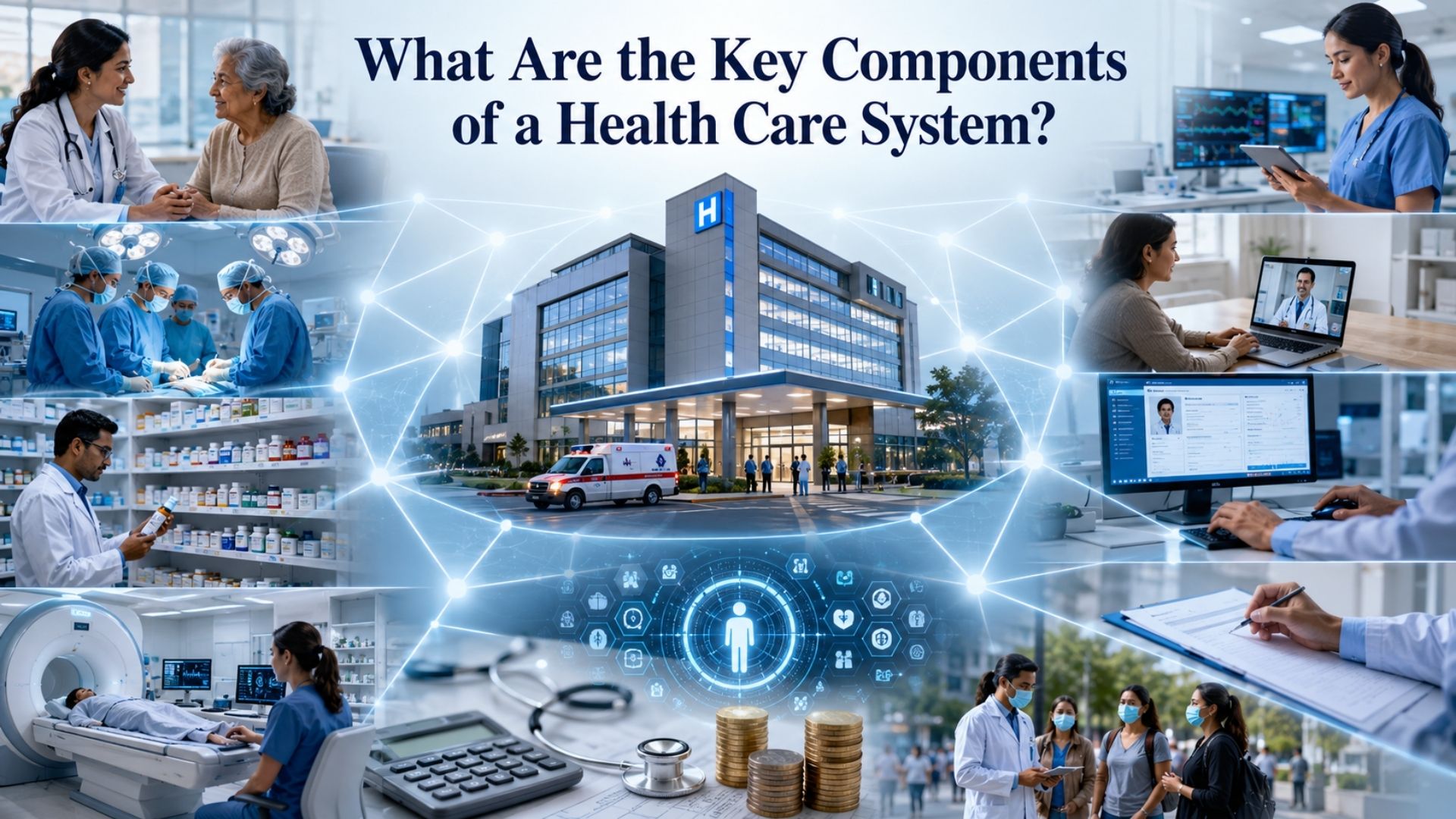
A strong health care system depends on multiple interconnected components working together to provide accessible, safe, and effective medical care. Hospitals, clinics, healthcare professionals, technology, financing, medicines, and patients all play important roles in ensuring that people receive the services they need.
Understanding these components makes it easier to see how healthcare is organized and why coordination between different parts of the system matters. As healthcare continues to become more digital and patient-centered, modern organizations are also adopting advanced technologies to improve efficiency, communication, and clinical outcomes.
What Is a Health Care System?
A ***[health care system](https://medcore.software/blog/health-care-system/)*** is the network of organizations, professionals, facilities, resources, technologies, and processes involved in delivering healthcare services to a population. Its purpose is to promote health, prevent disease, diagnose conditions, provide treatment, and support recovery and long-term well-being.
While healthcare systems differ between countries and regions, their fundamental components are generally connected by the shared goal of delivering quality care.
1. Healthcare Professionals
Doctors, nurses, pharmacists, therapists, technicians, and other healthcare professionals form the foundation of medical care. They diagnose conditions, provide treatments, educate patients, monitor progress, and support preventive healthcare.
Effective staffing and collaboration are essential because patients often require services from multiple healthcare professionals throughout their treatment journey.
2. Healthcare Facilities
Hospitals, clinics, diagnostic centers, rehabilitation facilities, pharmacies, and community health centers provide the physical infrastructure needed to deliver healthcare.
Different facilities serve different purposes. Hospitals may provide emergency and specialized care, while outpatient clinics can handle consultations, routine procedures, and follow-up services.
3. Patients and Communities
Patients are at the center of every health care system. Their needs, preferences, expectations, and experiences influence how healthcare services are designed and delivered.
Community health also plays an important role. Understanding population health trends helps organizations develop prevention programs, improve accessibility, and address common health challenges.
4. Healthcare Financing
Healthcare requires substantial financial resources to operate effectively. Financing supports medical staff, facilities, equipment, medicines, technology, research, and other essential services.
Depending on the healthcare model, funding may come from government programs, private insurance, employers, individuals, or a combination of different sources. Efficient financial management helps organizations maintain sustainable services while controlling unnecessary costs.
5. Medical Equipment and Medicines
6. 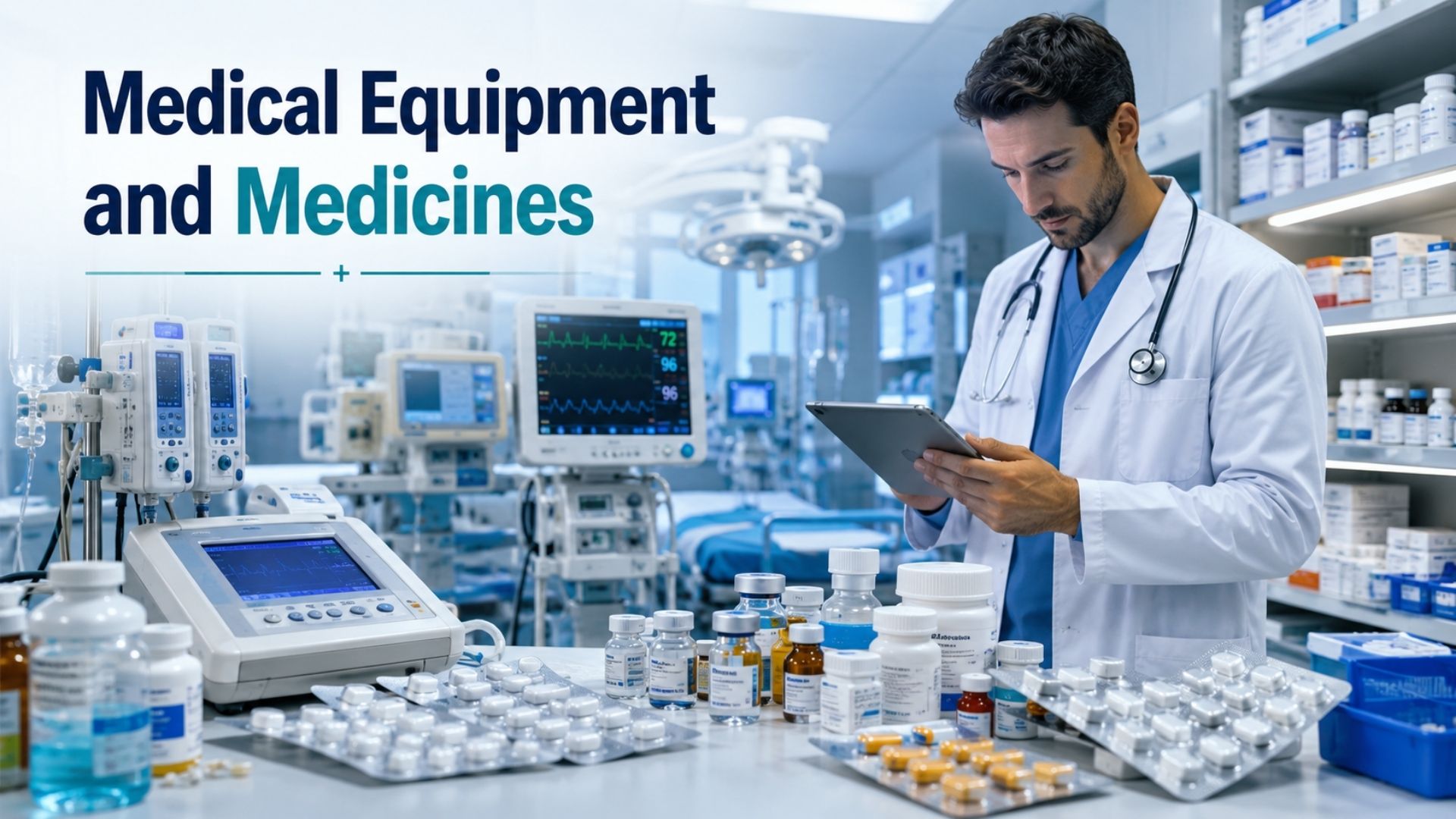
Medical equipment and medicines are essential for diagnosis, treatment, emergency care, and disease management. Diagnostic imaging systems, laboratory equipment, surgical tools, monitoring devices, and pharmaceuticals all contribute to effective healthcare delivery.
Proper inventory and supply-chain management are important to ensure essential resources remain available when patients need them.
6. Health Information and Data Management
Healthcare organizations generate large amounts of information, including medical histories, laboratory results, prescriptions, diagnostic reports, and treatment records.
Electronic health records and integrated information systems allow authorized healthcare professionals to access relevant information more efficiently. Accurate data can support better coordination, clinical decision-making, and continuity of care.
7. Digital Healthcare Technology
Technology has become a major component of modern healthcare. Telemedicine, patient portals, remote monitoring, healthcare applications, artificial intelligence, and cloud-based platforms can improve access and streamline workflows.
Digital tools can also automate administrative tasks, facilitate communication, and provide healthcare professionals with useful insights from large amounts of data.
8. Public Health and Preventive Services
A health care system is not limited to treating illnesses. Prevention and public health programs help reduce disease risks and improve population health.
Vaccination programs, health screenings, health education, nutrition initiatives, and disease prevention campaigns can identify risks early and encourage healthier behaviors.
9. Healthcare Policies and Regulations
Policies and regulations establish standards for healthcare quality, patient safety, privacy, professional practices, and organizational accountability.
Healthcare providers must follow applicable laws and regulations while maintaining ethical standards. Effective oversight helps protect patients and promotes consistent quality across healthcare services.
10. Patient Engagement and Communication
Patients increasingly expect convenient and transparent communication. Patient engagement tools can provide access to appointments, health records, educational information, reminders, and secure communication with healthcare teams.
Strong engagement encourages patients to participate actively in their care and can contribute to better adherence and healthcare experiences.
Why Are These Components Important?
The components of a health care system are interconnected. Healthcare professionals need appropriate facilities and equipment, while providers depend on financing, information, technology, and effective policies to deliver services.
When these elements work together efficiently, healthcare organizations can improve accessibility, reduce operational inefficiencies, support patient safety, and provide more coordinated care.
How Is Technology Changing Health Care Systems?
Digital transformation is changing how healthcare organizations operate. Integrated platforms can connect patient information, appointments, billing, communication, remote monitoring, and clinical workflows.
Artificial intelligence and data analytics can help organizations identify trends and support decision-making, while telemedicine can expand access to healthcare services. However, technology should be implemented responsibly, with attention to privacy, cybersecurity, data quality, and human oversight.
Challenges in Building an Effective Health Care System
Healthcare systems can face challenges such as rising costs, workforce shortages, unequal access, fragmented information, cybersecurity risks, and increasing demand for services.
Addressing these challenges requires collaboration between healthcare providers, policymakers, technology organizations, communities, and patients. Continuous improvement and responsible innovation can help create more resilient healthcare systems.
You can also watch: ***[Everyone is working, but the system is not connected](https://youtube.com/shorts/Ul_7E1sMpuI?si=OKm8Co1e-aeUwiJ3)***.
Summary
A ***[health care system](https://medcore.software/blog/health-care-system/)*** consists of interconnected components that work together to deliver medical and preventive services. Healthcare professionals, facilities, patients, financing, medicines, equipment, health information, technology, public health programs, regulations, and patient engagement all contribute to effective healthcare delivery. As healthcare continues to evolve, integrating these components efficiently will be essential for improving access, quality, patient experience, and long-term health outcomes.
FAQs
1. What are the main components of a health care system?
The main components include healthcare professionals, facilities, patients, financing, medical equipment, medicines, health information, technology, public health services, regulations, and patient engagement.
2. Why are healthcare professionals important?
Healthcare professionals provide diagnosis, treatment, prevention, education, monitoring, and ongoing support to patients.
3. How does technology support a health care system?
Technology can improve communication, manage health information, support telemedicine, automate workflows, enable remote monitoring, and assist clinical decision-making.
4. What role do patients play in a health care system?
Patients are central to healthcare delivery. Their needs, participation, feedback, and engagement help shape effective and patient-centered services.
5. Why is healthcare financing important?
Financing provides the resources needed to operate facilities, employ healthcare professionals, purchase equipment and medicines, and maintain healthcare services.