How Can You Create an Effective Strength Training Routine at Home?
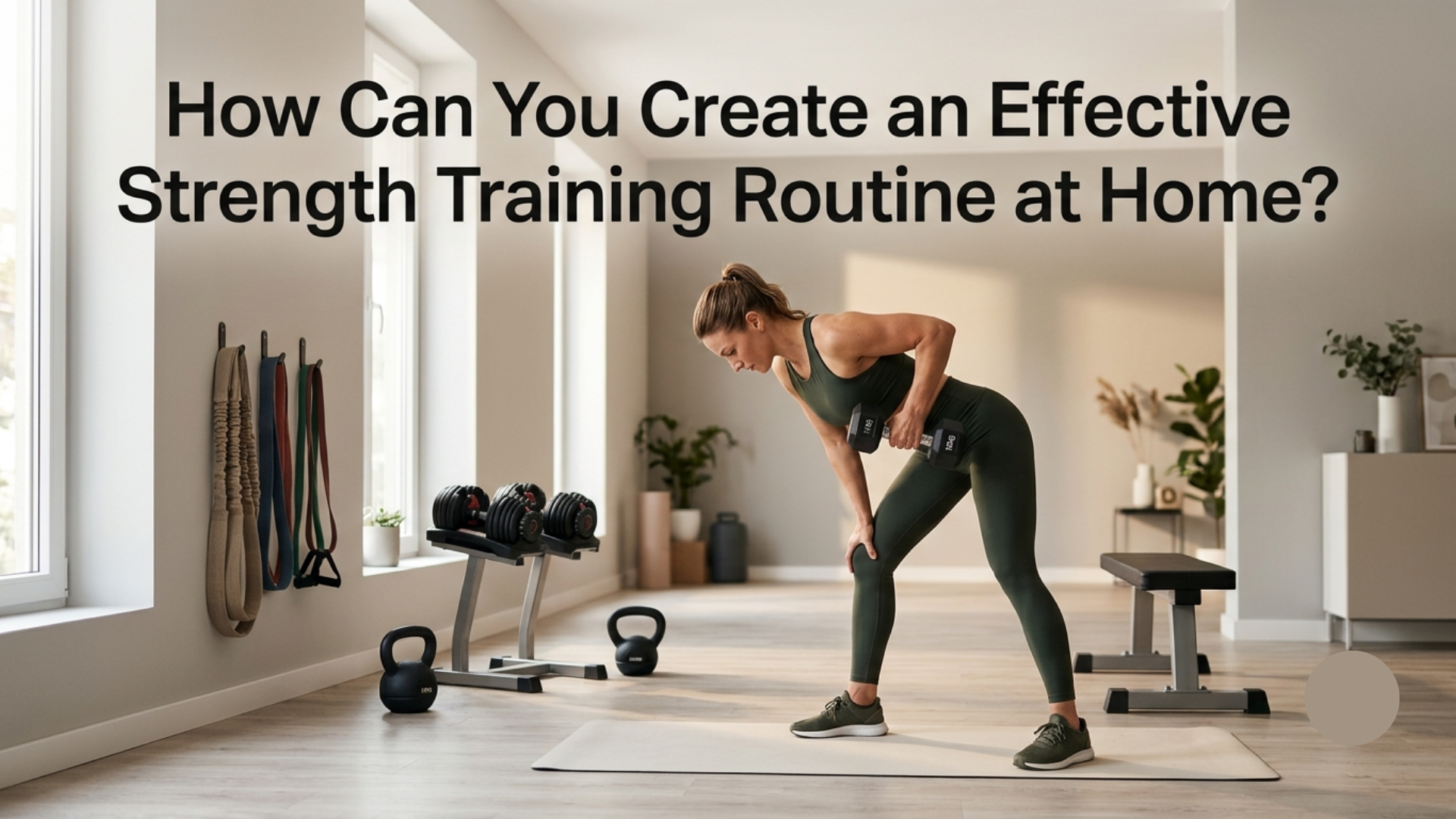
Building strength does not always require a commercial gym, expensive machines, or hours of free time. A thoughtfully planned home workout can help you develop stronger muscles, improve movement, and create a consistent fitness habit. The key is to understand how to structure your sessions so that each exercise has a clear purpose. With simple equipment, enough space, and a realistic schedule, your home can become an effective place to work toward your fitness goals.
An effective **[strength training](https://calorietrackerbuddy.com/blog/strength-training-everything-you-need-to-know/)** plan begins with exercises that challenge major muscle groups while matching your current ability level. Starting with manageable movements allows you to learn proper technique before increasing difficulty. This approach also makes your workouts easier to maintain because you can gradually build confidence rather than attempting advanced exercises immediately. Consistency, appropriate progression, and adequate recovery should therefore work together throughout your fitness journey.
Start With Your Available Space and Equipment
Before designing your workouts, look at the space and equipment you already have. A small area with a stable floor may be enough for bodyweight movements such as squats, lunges, push-ups, and planks. If you have resistance bands, dumbbells, or a sturdy exercise bench, you can introduce additional variations as your ability improves. Using what is already available can make your routine practical and reduce unnecessary spending.
Your equipment should support your routine, not control it. Simple ***[home gym equipment](https://calorietrackerbuddy.com/blog/home-gym-equipment-guide/)*** like dumbbells can add resistance to squats, rows, and presses. Even with limited equipment, you can increase repetitions, adjust tempo, or try exercise variations to create a stronger challenge and keep your workouts effective.
Focus on Full-Body Movement

A balanced home workout should involve the major movement patterns rather than repeatedly targeting one muscle group. Lower-body exercises can develop the legs and hips, while pushing and pulling movements can train the upper body. Core exercises can then support stability and control during different movements.
Full-body sessions can be especially convenient for people with busy schedules because several muscle groups can be trained during one workout. A session might begin with a squat variation, continue with a pushing movement, and then include a rowing exercise and a core movement. This structure creates variety while keeping the workout organized and purposeful.
Increase the Challenge Gradually
Progress is important because the body adapts when it repeatedly encounters the same level of difficulty. Once an exercise becomes comfortable, you can gradually make it more challenging by adding resistance, increasing repetitions, slowing the movement, or choosing a more demanding variation. Small changes are often more sustainable than making dramatic increases from one session to the next.
Tracking your workouts can make this progression easier to manage. Recording exercises, repetitions, resistance, and how each session feels gives you useful information about your development. If performance improves steadily while technique remains controlled, you can make gradual adjustments without rushing the process.
Give Your Body Time to Recover
Training is just one part of getting stronger, as recovery helps the body adapt and rebuild. Adding ***[endurance exercises](https://nutriifit.mystrikingly.com/blog/can-endurance-exercises-transform-your-stamina-and-fitness)*** to your routine can improve stamina and overall fitness. However, training too hard without enough rest may increase fatigue and lower motivation. Rest days, good sleep, proper hydration, and balanced nutrition can help your body recover and support steady fitness progress.
Your weekly schedule should also reflect your current fitness level. Someone new to exercise may benefit from fewer demanding sessions with recovery between them, while a more experienced person may tolerate a greater training frequency. Listening to your body can help you distinguish normal effort from persistent discomfort that deserves attention.
Keep Your Routine Sustainable
The most effective home program is one you can realistically continue. A complicated plan may look impressive but become difficult to follow when work, family responsibilities, or unexpected events interrupt your schedule. A simpler routine performed consistently can provide a stronger foundation for long-term progress.
Setting realistic goals can also make exercise more motivating. Instead of expecting immediate physical changes, focus on improvements such as better technique, increased repetitions, greater control, or improved consistency. These measurable achievements can reinforce your commitment and encourage you to keep progressing.
To Know More Click On - ***[1st StepUp India Challenge Coming this October | Nationwide Walking Marathon 2025 |](https://youtu.be/WykZJ2ukTK8?si=BcuzuzkkJxIwx_nh)***
Summary
Creating an effective home program requires more than choosing random exercises. You need a balanced approach that considers movement variety, available equipment, progressive challenges, and sufficient recovery. By applying these principles, ***[strength training](https://calorietrackerbuddy.com/blog/strength-training-everything-you-need-to-know/)*** can become a practical part of your regular fitness schedule without requiring a traditional gym. The goal is to create a routine that challenges you appropriately while remaining manageable enough to continue over time.
FAQs
1. Can beginners build strength at home?
Yes. Beginners can make meaningful progress with bodyweight exercises and simple resistance equipment when movements are performed with proper technique and gradually become more challenging.
2. How long should a home workout session be?
The ideal duration depends on your goals, fitness level, and schedule. A focused session can be effective when it includes purposeful exercises and enough time for proper technique.
3. Is rest important between home workouts?
Yes. Recovery gives the body time to adapt to training demands. Adequate rest, sleep, hydration, and nutrition can support consistent performance and long-term progress.